
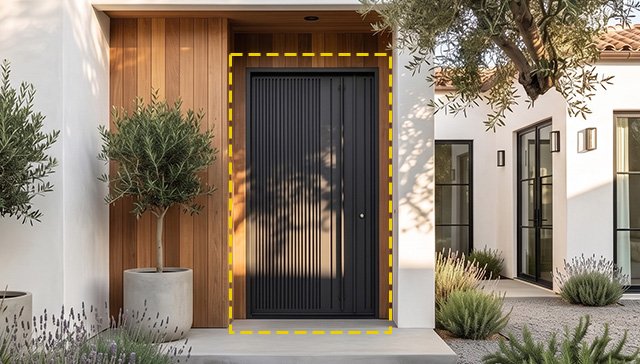
Choosing the right entry door is an important decision for any homeowner. An exterior door does more than provide access to a property; it contributes to security, energy efficiency, curb appeal, and overall architectural character. While wood, fiberglass, and other materials remain popular, iron doors have become an attractive option for homeowners looking for a combination of strength, durability, and distinctive design.
Iron doors are available in traditional, contemporary, and custom styles, making them suitable for different architectural preferences. Their solid construction and decorative possibilities can make them a valuable addition to residential properties. However, their initial cost, weight, maintenance requirements, and installation needs should be considered before making a purchase.
So, are iron doors worth the investment? The answer depends on the homeowner’s priorities, the quality of the product, and the conditions in which the door will be installed. Understanding their long-term benefits can help determine whether they are the right choice.
Understanding the Construction of Iron Doors
Iron doors are exterior door systems manufactured using iron, steel, or other metal components. Some products are made from wrought iron, while others use fabricated steel construction with decorative metalwork.
These materials provide a strong structural foundation and allow manufacturers to create different shapes, patterns, and configurations.
Common construction features include:
- Metal frames and reinforced sections.
- Decorative scrollwork or geometric patterns.
- Single or double-door configurations.
- Glass panels with metal framing.
- Protective coatings and finishes.
- Different hardware and locking systems.
It is important to review the manufacturer’s specifications because not every product marketed as an iron doors is made from traditional wrought iron. Understanding the actual material and construction helps homeowners compare quality and expected performance.
Long-Term Durability and Strength
One of the main reasons homeowners consider iron doors is their structural strength. Metal construction can provide a substantial and durable entrance when the door is manufactured and installed correctly.
Unlike some conventional materials, metal doors are less likely to experience certain problems associated with wood, such as swelling, splitting, or warping caused by moisture. However, their long-term performance depends on material quality, protective coatings, and environmental conditions.
Several factors contribute to their durability:
- Strong metal construction.
- Quality welding and fabrication.
- Properly applied protective finishes.
- Suitable hinges and supporting frames.
- Regular inspection and maintenance.
A well-manufactured iron door can remain functional and visually attractive for many years. Homeowners should still inspect the surface and hardware periodically to identify signs of wear or corrosion.
Improving Home Security
Security is another important consideration when choosing an exterior entrance. Iron doors are often selected because their metal construction provides a strong physical barrier.
However, a door’s security does not depend on the material alone. The locking system, frame, hinges, reinforcement, glass, and installation all contribute to overall performance.
Homeowners should look for features such as:
Reinforced Frames: A properly constructed frame helps support the door and its hardware.
High-Quality Deadbolts: Reliable locking mechanisms can improve resistance to unauthorized entry.
Multipoint Locking Systems: These systems secure the door at multiple points along the frame.
Strong Hinges: Suitable hinges help support heavy door panels and maintain proper alignment.
Safety Glass: Laminated or appropriately specified security glazing can provide additional protection in doors containing glass.
When these components are selected carefully, iron exterior doors can contribute to a more secure entrance.
Enhancing Curb Appeal and Property Appearance
The front entrance is one of the most noticeable features of a home. Its design can influence how visitors perceive the property and how well the exterior architecture comes together.
Iron doors offer a wide range of decorative possibilities, allowing homeowners to select styles that complement different architectural designs.
Popular options include:
- Traditional ornamental patterns.
- Mediterranean-inspired scrollwork.
- Modern geometric designs.
- Minimalist metal frames.
- Arched door configurations.
- Decorative glass combinations.
- Custom double-door entrances.
For traditional properties, ornamental ironwork can create an elegant and distinctive appearance. Contemporary homes may benefit from simple lines, dark finishes, and large glass sections.
The ability to customize patterns, finishes, and dimensions makes iron doors particularly appealing for homeowners who want a distinctive entrance.
Wide Range of Customization Options
One advantage of iron doors is the flexibility available in their design. Homeowners can work with manufacturers to create products that match their property’s architecture and personal preferences.
Customization options may include:
Door Shape: Rectangular, arched, single, and double configurations.
Decorative Patterns: Scrollwork, floral details, geometric lines, and minimalist arrangements.
Glass Selection: Clear, frosted, textured, patterned, or laminated glass.
Color and Finish: Matte black, antique bronze, dark brown, charcoal, and customized protective coatings.
Hardware: Different handles, locks, hinges, and decorative accessories.
Custom iron doors can be especially useful for properties with unusual entrance dimensions or specific architectural requirements.
However, additional customization can increase manufacturing time and overall cost. Homeowners should discuss dimensions, design details, and installation requirements before placing an order.
Potential Energy Efficiency Benefits
Energy efficiency is an important factor when selecting an exterior door. A properly designed entrance can help reduce unwanted air movement and support comfortable indoor temperatures.
Iron itself is a conductive material, meaning it can transfer heat more readily than some other door materials. For this reason, thermal performance depends heavily on the door’s overall design.
Homeowners should evaluate features such as:
- Thermal breaks within metal construction.
- Insulated glass panels.
- Weatherstripping around the frame.
- Properly sealed installation joints.
- Insulated door cores, where applicable.
- Suitable door thresholds.
These features can help reduce drafts and improve the performance of an iron door system.
It is also important to compare product specifications rather than assuming that every metal door provides the same level of insulation.
Low Maintenance Compared with Some Traditional Options
Iron doors can offer manageable maintenance requirements when they have suitable protective coatings. Compared with some wood doors, they generally do not require the same level of attention to swelling, splitting, or moisture-related movement.
However, they are not completely maintenance-free.
Regular care may include:
- Cleaning the metal surface with appropriate products.
- Checking protective coatings for scratches or damage.
- Inspecting areas where corrosion could develop.
- Lubricating hinges and moving hardware when necessary.
- Checking locks and handles for proper operation.
- Inspecting weatherstripping and seals.
Homes in coastal, humid, or harsh weather environments may require more frequent inspections because environmental exposure can affect metal finishes.
Addressing small surface problems early can help protect the door’s appearance and condition.
Long-Term Value and Investment Potential
The initial price of an iron door may be higher than that of some standard exterior doors. However, homeowners should consider its potential long-term value rather than focusing only on the purchase price.
A durable and attractive entrance can provide several practical advantages over time.
These may include:
- Long service life with appropriate care.
- Reduced likelihood of certain moisture-related problems associated with wood.
- A distinctive architectural appearance.
- Customization opportunities.
- Potential improvements in perceived property appeal.
- Strong construction when supported by quality hardware and installation.
Whether an iron door increases a property’s resale value depends on the local housing market, buyer preferences, product quality, and overall property condition. It should therefore be viewed as a long-term home improvement rather than a guaranteed financial return.
Comparing Iron Doors with Other Exterior Door Materials
Before investing in iron doors, it is useful to compare them with other common materials.
Iron Doors vs. Wood Doors
Wood doors offer natural textures, warmth, and traditional beauty. However, they may require regular refinishing and can respond to moisture and temperature changes.
Iron doors provide a different appearance and can offer strong structural construction. Their protective coatings still require inspection and maintenance.
Iron Doors vs. Fiberglass Doors
Fiberglass iron exterior doors are popular because they can imitate natural wood finishes while offering resistance to many moisture-related problems. They are also available in insulated configurations.
Iron doors provide distinctive metal designs and decorative possibilities, while fiberglass may offer advantages in weight and thermal performance depending on the product.
Iron Doors vs. Steel Doors
Steel doors are often designed with practical construction and security requirements in mind. Iron doors may offer more elaborate decorative possibilities, depending on their fabrication.
The distinction between these products can vary because many iron-style doors are actually manufactured from steel. Comparing material specifications is more useful than relying only on product names.
Understanding the Cost of Iron Doors
The price of an iron door depends on several factors. Standard designs may be more affordable than large, custom-made entrances with elaborate decorative details.
Important cost considerations include:
- Door dimensions and thickness.
- Material and construction quality.
- Decorative pattern complexity.
- Glass type and size.
- Protective finish.
- Locking system and hardware.
- Frame requirements.
- Transportation and installation.
Double doors, arched designs, and customized glass configurations may require additional investment.
Homeowners should request detailed quotations that include the door, hardware, frame, finishing, delivery, and installation. Comparing complete costs makes it easier to evaluate different products accurately.
Professional Installation and Structural Support
Iron doors can be considerably heavier than some conventional door options. Their weight makes proper installation particularly important.
The surrounding wall, frame, hinges, and supporting structure must be suitable for the selected door.
Professional installation can help ensure:
- Correct frame alignment.
- Suitable structural support.
- Proper hinge placement.
- Smooth opening and closing.
- Effective weather sealing.
- Reliable locking operation.
Incorrect installation can lead to alignment problems, excessive stress on hardware, and difficulty operating the door.
Homeowners should confirm that the installer has experience working with heavy metal door systems.
Are Iron Doors Suitable for Every Home?
Although iron doors offer several advantages, they may not be the best solution for every property.
They are worth considering for homeowners who prioritize:
- Strong and substantial door construction.
- Distinctive exterior design.
- Custom decorative options.
- A long-term entrance solution.
- Metalwork that complements the property’s architecture.
However, homeowners with limited budgets, lightweight frame structures, or specific energy-efficiency priorities may prefer to compare fiberglass and other alternatives.
Climate is another important consideration. Properties exposed to high humidity, salt air, or frequent rainfall may require specialized coatings and more regular maintenance.
Evaluating these conditions before purchasing can help prevent unexpected costs.
Conclusion
Iron doors can be a worthwhile investment for homeowners who value durability, distinctive design, customization, and substantial entrance construction. Their decorative possibilities make them suitable for traditional and contemporary properties, while quality metal fabrication can provide long-term performance with appropriate maintenance.
However, the overall value depends on more than the material. Security features, protective coatings, energy performance, structural support, and professional installation all influence the final result.
Before choosing iron exterior doors, homeowners should compare construction quality, complete costs, maintenance requirements, and available alternatives. A carefully selected and properly installed iron door can provide an attractive and functional entrance that serves a home for many years.















Leave a Reply