
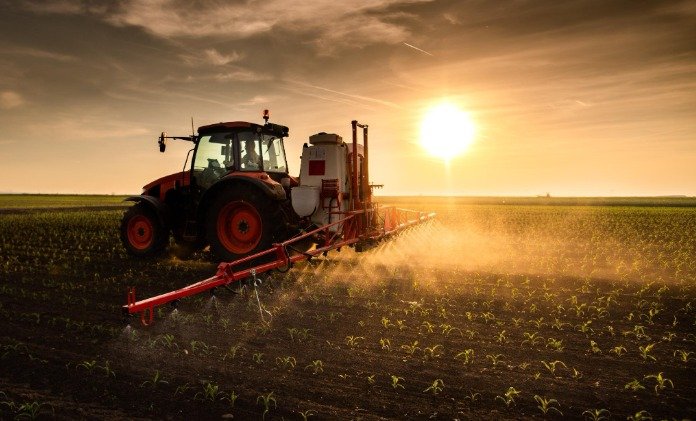
Investment in agricultural machinery can aid farmers to boost their efficiency, decrease manual labor, and handle bigger loads. But getting loans to acquire machinery will bring in some financial commitment on the part of the borrower. A farm equipment loan must be carefully planned in order for the farmer to repay in manageable amounts even within the agricultural season. Through proper budgeting and knowing the terms of the loan, farmers can minimize borrowing risks.
Assess Your Financial Position Before Borrowing
Farmers must first assess their current financial situation prior to financing. They should assess their farm income, expenses, debts, and savings to determine how much more debt the farm can afford. This is because, apart from regular expenses such as seeds, fertilizers, and labor, farmers will be subject to unforeseen expenses such as repair of machinery and fluctuating fuel expenses. In calculating the amount of farm equipment loan to be used to acquire farm equipment, farmers must compute the expense of complete ownership of the equipment and not simply the price of the equipment. This will include the cost of down payment, interest, insurance, maintenance, and operation.
Key Strategies to Reduce Financial Risk When Taking a Farm Equipment Loan
Let’s look into some of the strategies that agricultural businesses can adopt to reduce financial risk while applying for a farm equipment loan:
1. Create a Realistic Budget
An extensive budget allows farmers to know the financial implications of buying the farm equipment. First, determine the cost of the equipment and the amount that is available for the down payment. Secondly, calculate the costs that will keep repeating, such as payments on the loan, fuel, service, spare parts, and insurance. Factor in any possibility of price increases and maintenance rather than taking into account only the fixed costs. Farmers should also ensure they have enough working capital for seasonal operations like planting. Having an accurate budget helps in determining the suitability of the farm equipment loan in question regarding the financial capability of the farm. In case there are no funds left after the payments for other expenses, one should either purchase another cheaper piece of equipment or make a bigger down payment.
2. Plan Cash Flow Around Seasonal Income
The income from agriculture varies with the passage of time in the year. Farmers may incur heavy expenses at the time of sowing and growing, but they earn their income mostly after harvesting and selling their crops. Fixed monthly payments may be very hard to make in such a situation. Prepare a forecast of your cash flows by comparing the expected incomes against expenses and installment payments during the year. Be conservative in making estimations regarding crop production and selling prices. When selecting a farm equipment loan, ask the lenders about the availability of repayment plans in line with the income cycle. Make sure of terms and conditions before finalizing any repayment schedule.
3. Align Loan Size with Repayment Capacity
Borrowing in excess of what is required can result in higher interest costs and undue financial stress. Farmers should first decide on what type of equipment is required, estimate how much they can afford to put down, and then estimate their borrowing needs. When considering a farm equipment loan, one must take into account realistic revenue projections as opposed to counting on making a profit every year. Debts and budget for other expenditures should also be taken into consideration. Small farms may consider applying for small farm equipment loans if they require funding for certain pieces of equipment without having to borrow large amounts of money.
4. Understand Loan Terms and Total Borrowing Costs
Although interest rates are significant, they do not constitute all costs of borrowing. Application fees, documentation fees, origination fees, among others, will be charged, thus increasing the amount due. It is recommended for farmers to look at the annual percentage rate (APR) in addition to the total amount repayable.
Some of the issues that must be looked into before signing the agriculture equipment finance agreement include:
- Interest rate: Get a clear understanding of whether the rate is fixed or variable and what effects it will have on your payments.
- Repayment period: See how the loan repayment period will influence the installment amount and total interest paid.
- Security: Know which assets are being used as collateral and see the implications of default.
- Late payment fees: Know what penalty will be applied in case you miss an installment.
- Prepayment: Know whether prepayment will attract extra fees.
Final Words
The risk management of borrowing requires understanding of the financial position of the farm and borrowing strategies that would fit the farm’s needs. A farm equipment loan is productive and helpful, but excessive borrowing or poor payment strategies may create pressure on working capital. But there are some means by which the farmers can reduce the risks associated with such problems, like budgeting for overall costs, payment schedules when income is earned, borrowing in moderation, and proper analysis of the loan terms. The farmers should always be prepared for any situation from a financial perspective. Proper planning and financial analysis will help the farmers to buy the machinery.


















Leave a Reply