
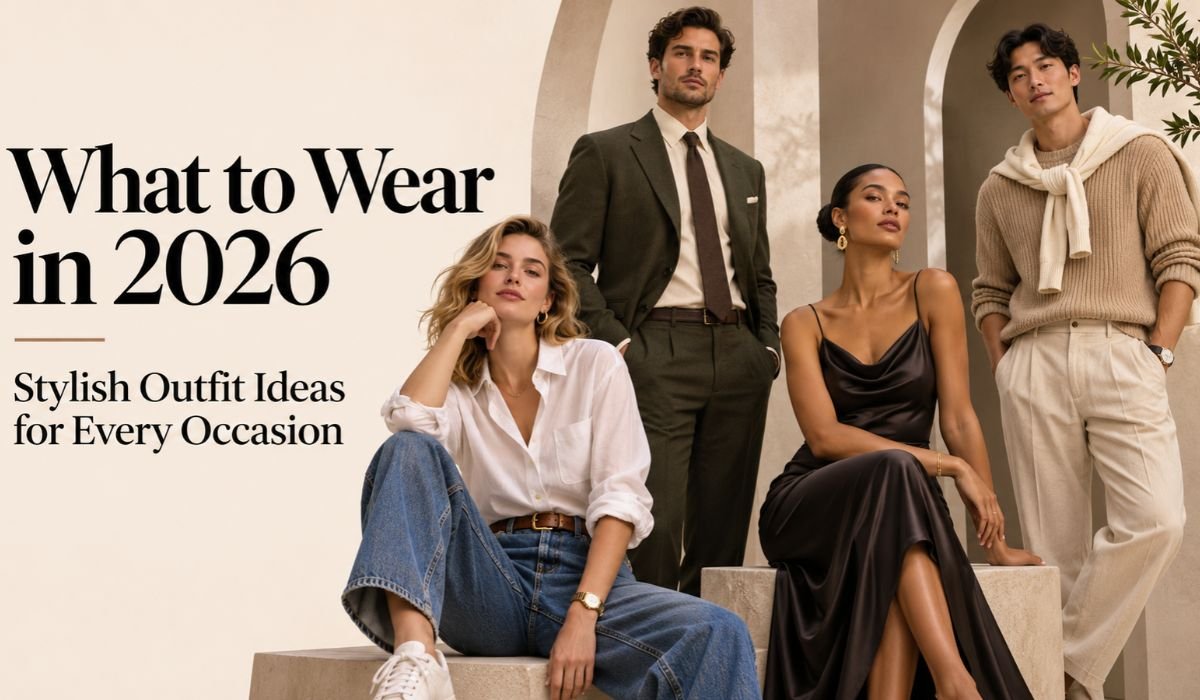
We’ve all had those mornings when we stand in front of a wardrobe full of clothes and still can’t decide what to wear. Perhaps you’re getting ready for work, meeting friends for lunch, attending a wedding, or preparing for a weekend getaway. Whatever the occasion, finding an outfit that looks good and feels comfortable can make your day a little easier.
Fashion in 2026 brings together familiar wardrobe favorites and fresh styling ideas. Wide-leg jeans, suede jackets, tailored trousers, denim maxi skirts, and statement coats are finding their place alongside classic pieces that never seem to lose their appeal.
The good news is that you don’t have to follow every trend or spend a fortune on designer clothing to look stylish. Often, the best outfits come from combining pieces you already own in slightly different ways.
This guide explores the latest fashion trends, practical outfit ideas, seasonal essentials, and everyday styling tips to help you build a wardrobe that genuinely works for you.
Quick Fashion Information
| Category | Details |
|---|---|
| Main Topic | What to Wear |
| Fashion Year | 2026 |
| Popular Fashion Styles | Casual, Classic, Minimalist, and Streetwear |
| Trending Jeans | Wide-Leg, Straight-Leg, and Barrel-Leg |
| Popular Outerwear | Suede Jackets, Bomber Jackets, and Statement Coats |
| Versatile Colors | Black, Cream, Brown, Navy, and Gray |
| Seasonal Accent Colors | Burgundy and Earth Tones |
| Summer Fabrics | Cotton and Linen |
| Winter Fabrics | Wool, Fleece, and Insulating Blends |
| Everyday Footwear | Sneakers, Loafers, and Ankle Boots |
| Office Essentials | Blazers, Shirts, and Tailored Trousers |
| Wedding Attire | Elegant Dresses and Formal Suits |
| Travel Outfits | Comfortable Layers and Matching Sets |
| Popular Accessories | Handbags, Scarves, and Sunglasses |
| Wardrobe Strategy | Capsule Wardrobe |
| Affordable Fashion | Secondhand and Vintage Clothing |
| Sustainable Approach | Clothing Care, Repair, and Reuse |
| Main Styling Principle | Comfort, Fit, Function, and Personal Expression |
Latest Fashion Trends in 2026
One of the most appealing things about fashion in 2026 is the variety of styles available. Relaxed clothing continues to have its moment, but it’s sharing the spotlight with more structured garments and refined silhouettes.
Wide-leg jeans remain a favorite, while straight-leg denim is enjoying renewed attention. Brown jeans, suede jackets, sculptural trousers, denim maxi skirts, and modern bomber jackets have also appeared prominently in recent fashion collections and street-style coverage.
Rather than completely reinventing the wardrobe, many of these trends offer fresh ways to wear familiar pieces. A simple pair of jeans can feel surprisingly current when combined with a suede jacket or an interesting knit.
Earthy shades such as chocolate brown, cream, and burgundy are particularly useful for creating sophisticated outfits. Still, trends should serve as inspiration rather than rules. If something doesn’t suit your lifestyle or personal taste, there’s no reason to wear it simply because it’s fashionable.
What to Wear for Everyday Casual Looks
Getting dressed for an ordinary day shouldn’t require complicated decisions. Some of the most attractive casual outfits are built around pieces that have been wardrobe staples for years.
A comfortable pair of jeans, a cotton T-shirt, and clean sneakers can take you from morning errands to an afternoon coffee with friends. On days when you’d rather skip denim, relaxed trousers and a lightweight shirt offer an equally stylish alternative.
When the temperature drops, throw on a cardigan, denim jacket, or casual blazer. Even a simple leather belt or structured crossbody bag can make an otherwise basic outfit feel thoughtfully put together.
Proportions are worth considering, too. Loose trousers often work beautifully with a more fitted top, while an oversized shirt pairs naturally with straight-leg jeans.
Before heading out the door, think about where you’re going, how much walking you’ll do, and whether the weather might change. A great everyday outfit should fit comfortably into your plans rather than complicate them.
What to Wear to Work
Office fashion has become more flexible in many workplaces, although professional clothing still depends heavily on the environment in which you work.
Traditional business settings generally favor tailored suits, structured blazers, button-down shirts, and polished footwear. These pieces create a neat, professional appearance and remain dependable choices for meetings or formal workplace occasions.
In offices with a more relaxed dress code, smart casual outfits offer considerably more freedom. Tailored trousers, soft knitwear, loafers, and understated accessories strike a pleasant balance between professionalism and comfort.
Dark straight-leg jeans can also look remarkably polished when paired with a blazer, provided your workplace allows denim.
Don’t overlook practical details. Shoes should remain comfortable throughout the working day, fabrics should allow easy movement, and a good work bag should have enough room for your laptop and other essentials. Above all, respect workplace dress codes, uniforms, and safety requirements.
What to Wear to a Wedding
Choosing a wedding guest outfit can be exciting, but it occasionally comes with a few uncertainties. How formal should you dress? Which colors are appropriate? Will your shoes work at an outdoor venue?
The invitation is usually the best place to start. Black-tie weddings generally call for formal evening clothing, whereas cocktail and semi-formal celebrations allow more flexibility through elegant dresses, tailored suits, and dressy separates.
Location matters just as much. A garden wedding may call for comfortable shoes that won’t sink into the grass, while a beach celebration is often better suited to breathable fabrics.
Bridal fashion itself has become wonderfully diverse. Traditional gowns sit alongside vintage-inspired wedding dresses, minimalist designs, and contemporary bridal suits.
For guests, the most important consideration is respecting the couple’s preferences and cultural traditions. If you’re uncertain about a particular color or the event’s level of formality, a quick question to the hosts can prevent unnecessary confusion.
What to Wear on a Date Night
Getting ready for a date is often more enjoyable when you stop worrying about creating the perfect outfit and focus instead on wearing something that feels like you.
For a casual coffee date, straight-leg jeans, a comfortable shirt, and stylish sneakers are difficult to fault. If dinner is on the agenda, you might prefer a black dress, tailored trousers, an elegant blouse, or a well-fitting blazer.
Accessories can bring an outfit to life without making it feel overly dressed up. A favorite watch, subtle jewelry, or an interesting handbag may be all that’s needed.
Take the setting into account as well. An outdoor evening date could require a jacket, while an upscale restaurant might have specific clothing expectations.
Whatever you choose, make sure you can sit, walk, and move comfortably. Feeling relaxed in your clothing often does more for your confidence than wearing something simply because it’s trendy.
What to Wear to Parties and Special Events
Parties offer the perfect excuse to bring out clothing that might feel a little too glamorous for an ordinary afternoon.
A cocktail dress, satin skirt, statement blouse, or tailored suit can create an elegant look without requiring elaborate styling. During festive celebrations, velvet, metallic fabrics, sequins, and colorful accessories offer even more opportunities to have fun with fashion.
Of course, not every celebration calls for the same level of formality. A friend’s birthday gathering is likely to feel more relaxed than an evening reception or corporate event.
If your outfit already features a bold pattern or detailed fabric, understated accessories can help the overall combination feel balanced.
A classic black outfit is another useful option. Change the shoes, jewelry, jacket, or handbag, and the same clothing can look noticeably different from one occasion to the next.
What to Wear When Traveling
Anyone who’s spent several hours on a plane or taken a long road trip understands how important comfortable clothing can be.
Relaxed trousers, breathable shirts, coordinated matching sets, and supportive sneakers provide a practical foundation for stylish travel outfits. They allow you to move freely while maintaining a presentable appearance.
Layering is particularly useful when traveling between locations with different temperatures. A lightweight cardigan or jacket can come in handy in an air-conditioned airport, on public transportation, or during a cool evening.
Packing becomes much easier when your clothing shares a similar color palette. Instead of carrying an entirely different outfit for every activity, select pieces that can be mixed and matched throughout the trip.
It’s also worth researching your destination’s climate, local customs, and planned activities. After all, the perfect airport outfit won’t necessarily be the best choice for sightseeing, outdoor adventures, or formal dinners.
What to Wear in Every Season
Seasonal fashion gives you an opportunity to refresh your outfits throughout the year. However, the best decisions are based on actual weather conditions rather than the calendar alone.
During spring, lightweight trench coats, denim skirts, breathable shirts, and soft knitwear work particularly well. These pieces make it easy to adjust your outfit when temperatures fluctuate.
Summer calls for lighter clothing. Cotton and linen garments, relaxed dresses, comfortable sandals, sunglasses, and sun-protective clothing can help you dress appropriately for warm conditions.
Autumn brings richer textures into the wardrobe. Suede jackets, cardigans, darker denim, and ankle boots offer plenty of styling possibilities.
Once winter arrives, warmth becomes a priority. Insulated jackets, wool-blend coats, scarves, knitwear, and weather-resistant footwear are worth keeping close at hand.
Layering remains one of the most useful techniques during changing weather. Begin with comfortable base clothing, add warmth when needed, and finish with outerwear that provides appropriate protection against wind or rain.
Essential Wardrobe Pieces
A well-planned wardrobe can remove much of the guesswork from deciding what to wear each morning.
Classic shirts, neutral trousers, reliable jeans, comfortable footwear, and versatile jackets form the foundation of countless outfits. Add a blazer, lightweight sweater, practical handbag, and seasonally appropriate coat, and the possibilities become even greater.
This is the idea behind a capsule wardrobe. Rather than collecting large numbers of unrelated garments, you build a selection of clothing that works together naturally.
There’s no fixed number of items you need. Someone working from home will likely require a different wardrobe from an office professional or someone who regularly attends formal events.
Start by noticing which clothes you wear repeatedly. Before purchasing something new, consider how many outfits you could create with it. A garment that works with several existing pieces usually offers more value than one that requires additional purchases.
How to Style Different Types of Jeans
Few clothing items are as adaptable as a good pair of jeans. They can look casual, refined, vintage-inspired, or surprisingly sophisticated, depending on how they’re styled.
Straight-leg jeans are particularly versatile. They pair easily with classic shirts, sneakers, loafers, and structured jackets. Wide-leg jeans, meanwhile, create a more relaxed silhouette and work beautifully with cropped jackets, fitted knitwear, or ankle boots.
Barrel-leg jeans offer something slightly different with their distinctive curved shape. Keeping the rest of the outfit relatively simple allows their silhouette to stand out.
Mom jeans bring a vintage-inspired feel, while bootcut and flared designs offer interesting possibilities when paired with different footwear.
Fit deserves just as much attention as appearance. Consider waistband comfort, fabric flexibility, and how the jeans feel when you’re sitting.
Finally, check the hem length. This small detail can make a noticeable difference, particularly when wearing wide-leg denim with flat shoes or boots.
Find Your Personal Fashion Style
Developing a personal fashion style doesn’t happen overnight. It’s a gradual process of discovering what you enjoy wearing and what fits comfortably into your life.
Minimalist fashion appeals to those who appreciate clean shapes, simple clothing, and coordinated colors. Classic fashion focuses on timeless garments, while streetwear often introduces relaxed silhouettes, layered outfits, and distinctive sneakers.
Vintage-inspired fashion provides another avenue for creativity, allowing you to combine influences from previous decades with contemporary clothing.
You don’t have to belong to a single fashion category. In fact, some of the most interesting wardrobes borrow elements from several different styles.
Try photographing outfits that make you feel particularly comfortable or confident. Over time, you may notice recurring colors, fabrics, and silhouettes that reveal your preferences.
Your personal style should reflect your personality, lifestyle, and comfort requirements rather than unrealistic expectations about how you’re supposed to dress.
How to Match Colors and Patterns
Color coordination can transform ordinary clothing combinations into outfits that look carefully considered.
Neutral shades such as black, cream, navy, beige, and gray provide a useful starting point because they work with a wide range of other colors.
Monochromatic dressing is another simple technique. Combining different shades of brown, for instance, creates a coordinated appearance without requiring every garment to match exactly.
If patterns feel intimidating, begin with one printed piece and pair it with quieter clothing. A patterned shirt looks attractive with plain trousers, while a colorful scarf can add interest to an otherwise neutral outfit.
Textures deserve attention as well. Denim, knitwear, cotton, and suede can create visually interesting combinations even when they share a similar color.
Whenever possible, check your outfit in natural daylight. Artificial lighting can affect how colors appear, and a combination that looks slightly different outdoors may benefit from a small adjustment.
Shoes, Bags, and Fashion Accessories
A change of accessories can give familiar clothing a completely different character.
Sneakers instantly make an outfit feel more relaxed, whereas loafers can introduce a polished touch. Ankle boots and knee-high boots offer numerous possibilities, especially when combined with jeans, skirts, or dresses during colder weather.
Handbags are equally transformative. A structured design complements professional clothing, while a crossbody bag offers hands-free convenience for everyday activities.
Scarves, belts, sunglasses, and jewelry provide additional ways to express your personality without investing in an entirely new wardrobe.
Practicality should remain part of the decision, though. A fashionable work bag isn’t particularly useful if it can’t accommodate your daily essentials. Similarly, attractive shoes can quickly become frustrating if they’re uncomfortable after a short walk.
Well-chosen accessories should enhance your outfit while performing the job you need them to do.
Celebrity Fashion and Street Style
Celebrity fashion and Fashion Week street style remain valuable sources of outfit inspiration.
Throughout 2026, relaxed denim, bomber jackets, oversized outerwear, and coordinated neutral outfits have appeared regularly in fashion coverage. Many of these looks demonstrate that fashionable dressing doesn’t always require complicated combinations or dramatic statement pieces.
Interestingly, you can recreate the overall feeling of many celebrity outfits without buying luxury clothing.
A camel-colored coat, simple knitwear, relaxed trousers, and understated accessories can produce a sophisticated appearance using relatively familiar garments.
Instead of concentrating on designer labels, look closely at what makes a particular outfit appealing. Perhaps it’s the combination of colors, an interesting fabric, carefully balanced proportions, or the way different layers have been arranged.
Once you understand those details, it becomes much easier to adapt the look to clothing you already own.
Affordable and Sustainable Fashion
There’s a common misconception that looking stylish requires spending considerable amounts of money. In reality, thoughtful shopping habits often produce a more useful wardrobe than frequent impulse purchases.
Secondhand stores, vintage shops, and carefully chosen seasonal discounts offer opportunities to discover quality clothing without paying full retail prices.
Cost per wear is a particularly helpful concept. A $60 jacket worn 60 times, for example, costs just $1 per wear. This illustrates why regularly used garments can provide better long-term value than cheaper items that spend most of their time hanging untouched.
Sustainable fashion also extends beyond purchasing decisions. Washing clothing according to its care instructions, repairing minor damage, and storing garments properly can help extend their useful life.
Be cautious about broad environmental marketing claims, too. Labels describing products as environmentally friendly don’t automatically establish meaningful environmental benefits.
Perhaps the simplest approach is to buy clothing you genuinely need, enjoy wearing, and expect to use regularly.
Final Thoughts
Figuring out what to wear in 2026 doesn’t have to involve chasing every new fashion trend or constantly updating your wardrobe.
The most rewarding approach is often much simpler. Build a collection of comfortable, well-fitting clothing that suits your daily routine, then experiment with accessories, colors, and contemporary styles whenever you feel inspired.
Whether you’re dressing for work, attending a wedding, traveling somewhere new, or enjoying a quiet weekend, your clothing should support the experience rather than distract from it.
Fashion trends will inevitably change. The ability to dress in a way that reflects your personality, however, is something that remains valuable year after year.
Ultimately, the best outfit is one that allows you to feel comfortable, confident, and genuinely yourself.
FAQs About What to Wear
What Should I Wear in 2026?
Straight-leg jeans, wide-leg trousers, suede jackets, tailored blazers, and versatile knitwear are popular fashion choices in 2026. Rather than replacing your entire wardrobe, combine contemporary styles with timeless clothing that suits your preferences and everyday activities.
What Is the Best Everyday Outfit?
A comfortable pair of jeans, a cotton T-shirt, clean sneakers, and a lightweight jacket create a reliable everyday outfit. Depending on the weather and your plans, you can easily customize this combination with different accessories, layers, and footwear.
What Should I Wear to a Casual Wedding?
A midi dress, elegant blouse with tailored trousers, or lightweight suit can work well for a casual wedding. Always consider the invitation, venue, expected weather, and cultural traditions before making your final clothing choices.
How Can I Look Stylish on a Budget?
Focus on purchasing versatile, well-fitting garments that complement your existing wardrobe. Secondhand shopping, thoughtful purchases, regular clothing maintenance, and simple alterations can help you create attractive outfits without excessive spending.
What Should I Wear When I Have Nothing to Wear?
Start with familiar wardrobe basics such as straight-leg jeans, a neutral shirt, and comfortable shoes. Adding a blazer, cardigan, belt, or distinctive accessory can create a fresh outfit without requiring new clothing.
What Colors Are Easiest to Match?
Black, white, cream, navy, beige, and gray are among the easiest colors to coordinate. They work well together and provide an excellent foundation for brighter accessories, seasonal colors, and patterned clothing.
How Do I Discover My Personal Fashion Style?
Pay attention to the clothes you genuinely enjoy wearing. Experiment with different silhouettes, colors, fabrics, and accessories while considering your lifestyle and comfort. Over time, these preferences will help you develop a personal fashion style that feels authentic.
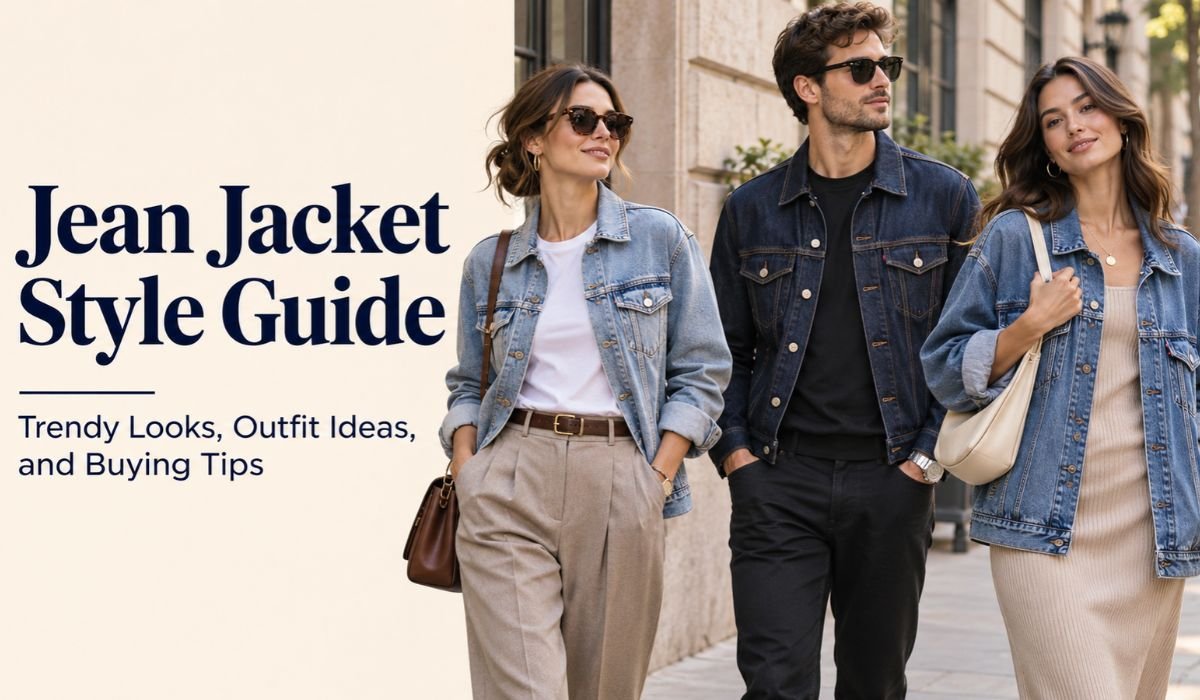
Learn more and explore exciting content on: Jean Jacket Style Guide: Trendy Looks, Outfit Ideas, and Buying Tips






Leave a Reply