
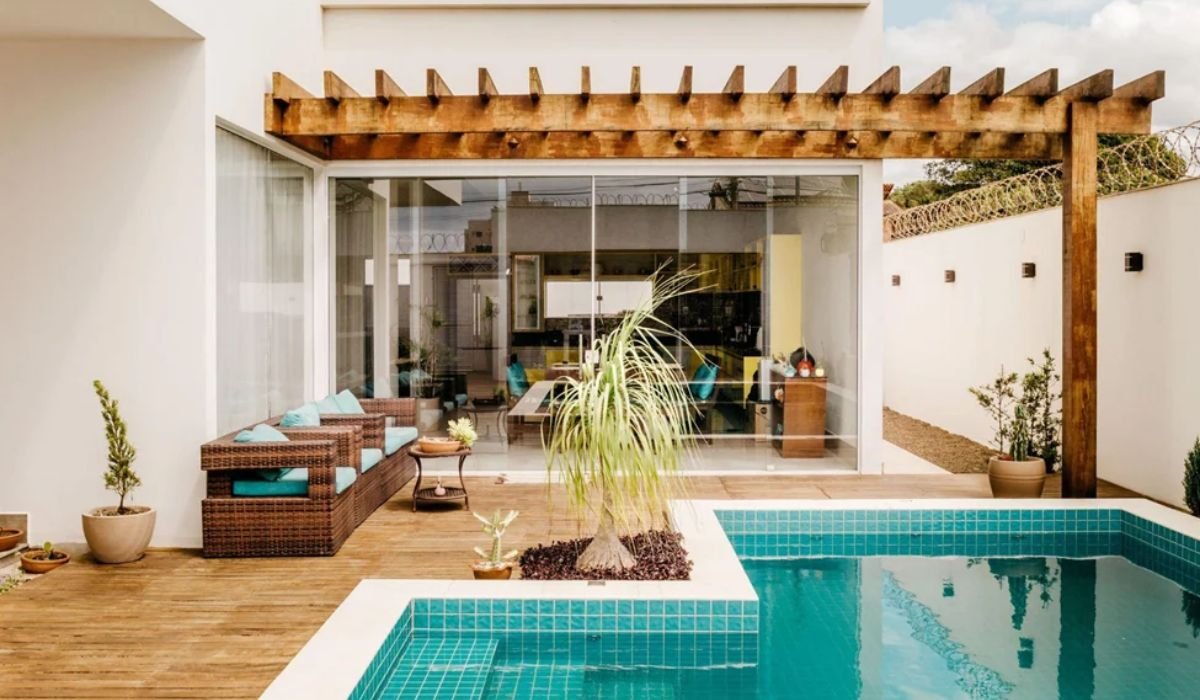
Your patio or deck ends up doing a lot. It’s where summer cookouts happen, where holiday guests spill out from the kitchen, and where you drink your coffee on a slow Saturday morning. So the materials underneath all that matter more than people tend to think. Pick well, and the space still looks good a decade from now. Pick poorly, and you’re stuck patching, sanding, and replacing far sooner than you’d like.
Why Material Quality Matters
Cheap materials are tempting because they cost less today. The trouble shows up later. Low-grade wood warps. Some composite boards crack once the sun works on them long enough. Concrete that wasn’t sealed properly picks up stains within a season or two. None of these problems are dramatic on their own, but they stack up, both in repair bills and in the quiet annoyance of watching a space you love age badly.
Better materials handle the abuse. They shrug off moisture, take years of foot traffic, and hold their shape through rain, heat, and the freeze-thaw swings that wreck weaker surfaces. Choosing well early on simply means fewer headaches and a patio that keeps looking like somewhere you want to sit.
Top Materials Worth Considering
Wood still wins people over with its warmth. Dense hardwoods are the standout here, and Ipe decking in Portland, Oregon, resists rot, insects, and decay remarkably well. Yes, wood asks for periodic sealing and staining. Keep up with that, though, and premium hardwood can outlast a lot of its competition.
Composite decking appeals to anyone who likes the look of wood but not the chores. Made from recycled wood fibers blended with plastic, it fights fading, splintering, and moisture damage. You’ll usually pay more upfront than for standard lumber. In humid or rainy climates especially, the low maintenance and long life tend to earn that cost back.
Concrete is the quiet overachiever. Stamp it, stain it, or add texture, and it can pass for stone, brick, or tile. Poured and sealed correctly, a concrete patio can push past 25 years without asking much of you, which makes it one of the more economical options over the long haul.
Pavers and natural stone bring an older kind of elegance, plus a practical perk: water drains through the joints instead of pooling on top, which cuts down on ice damage. Repairs are easier too. A cracked paver comes out and a new one goes in, no tearing up the whole surface.
Metal and steel accents, think railings and pergolas, have earned their popularity on looks alone. Give them a rust-resistant coating and they’ll carry weight and weather for years, which is exactly what you want from anything structural.
Comparing Long-Term Value
Durability is a reasonable place to start. Hardwoods and composite generally run 25 to 30 years with decent care, while concrete and pavers can clear 30. Upkeep is where they diverge most. Wood wants annual sealing, composite needs an occasional wash, and concrete or pavers ask for the least.
Then there’s the initial spend. Standard wood and pavers land in the middle. Premium hardwoods and natural stone sit at the top. Composite and concrete tend to strike the fairest balance between what you pay now and what you get later.
Finally, let your climate weigh in. Wet, humid regions favor composite or sealed concrete. Drier spots let wood or pavers shine without much moisture worry.
Building for the Long Haul
The patios and decks that last aren’t chosen on looks alone. Whether you lean toward hardwood’s natural character, composite’s easy upkeep, or concrete’s flexibility, putting quality first now buys you fewer repairs later and a lot more time actually enjoying the space!






Leave a Reply