

Pick the wrong playground supplier and you will know it within two years. Rust spots. Loose bolts. A climbing net that frays faster than it should. Councils, schools and childcare centres across Australia spend real budget on play spaces, and most of that money is wasted when the supplier cuts corners nobody notices until the warranty has run out. One NSW region saw its playground repair costs jump from $43,478 to $367,259 in under a decade, a 744 percent rise. That is not bad luck. That is poor equipment catching up with a council. This guide walks through what actually separates serious commercial outdoor playground equipment suppliers from the ones that just look the part on a glossy brochure.
Start With The Standard, Not The Brochure
Every legitimate supplier in Australia builds to AS 4685:2021, the national standard covering swings, slides, runways, carousels and rocking equipment. Ask for the compliance certificate before you ask about colour schemes. A supplier who hesitates here is telling you something important.
Why Injury Data Should Shape Your Shortlist
Playground equipment is already the leading cause of childhood fall injuries in Australia. National data recorded 88,766 injury hospitalisations among children and teens in a single year, and playground falls were the single biggest contributor, hitting hardest in kids aged 5 to 9. A separate NSW study tracked 7,795 hospitalisations from playground falls alone, with over half resulting in elbow or wrist fractures. None of that is the fault of play itself. Risk belongs in healthy play. But a chunk of that injury data traces back to poor equipment, bad surfacing or installation shortcuts, and a careful supplier choice cuts that risk directly.
What To Actually Check Before Signing
Here’s the shortlist that matters more than price:
- Written proof of AS 4685 compliance for every product line, not just the catalogue as a whole
- Material warranties of at least 10 years on structural steel and timber components
- A maintenance and inspection program included or offered as an add-on
- Local project management experience with council tenders and community consultation
- References from at least two completed council or school projects you can actually call
- Impact-tested surfacing that matches the fall height of each piece of equipment
Supplier Comparison At A Glance
| Factor | Weak Supplier | Strong Supplier |
| Compliance proof | Vague or “available on request” | Certificates supplied upfront |
| Warranty length | Under 5 years | 10+ years on structural parts |
| Maintenance support | None offered | Scheduled inspection plans |
| Local experience | Generic national catalogue | Site-specific design for climate and community |
Budget Is Not The First Question
Price matters, obviously, and every council has a budget cycle to answer to. But the Shire of Harvey awarded a playground tender at $189,917 and another council region saw its own costs explode later purely from maintenance neglect. The cheapest quote today becomes the most expensive playground in five years if the supplier skimped on steel grade or surfacing thickness. A good shortlist weighs total lifecycle cost, not just the invoice.
Ask About Inclusive Design Early
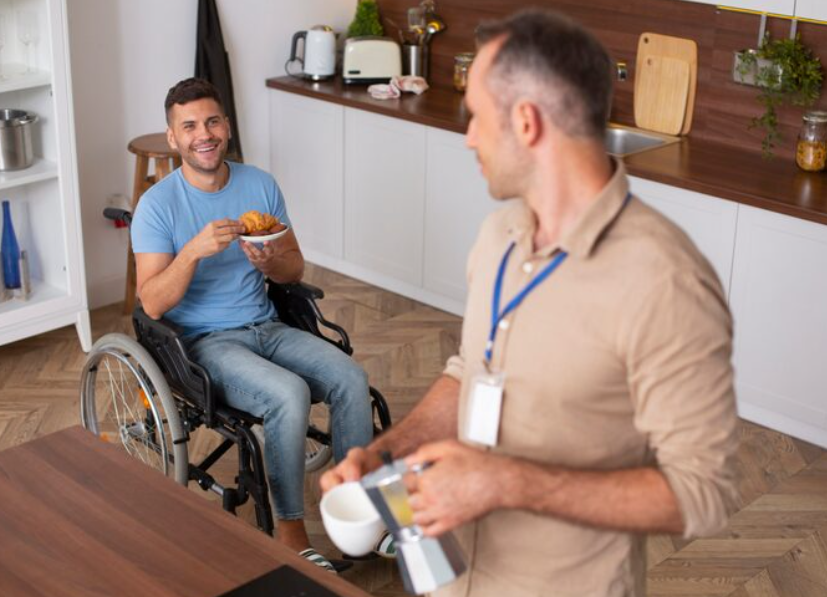
Equipment that works for kids with mobility challenges, sensory needs or wheelchairs should not be an afterthought bolted on later. Ask upfront whether a supplier’s range includes inclusive spinners, transfer platforms and sensory panels as a standard part of the catalogue, not a special order. The best suppliers design for every child from the first concept sketch, not the final change order.















Leave a Reply