
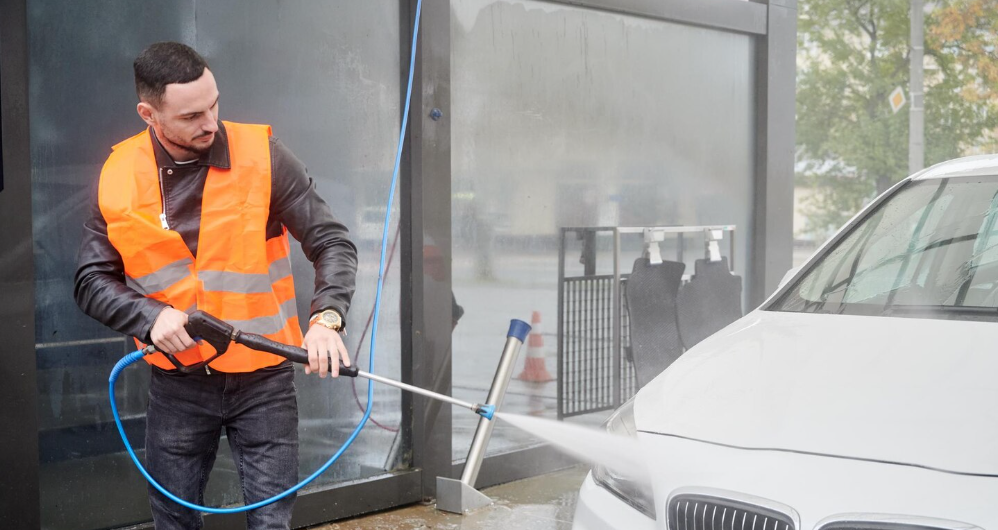
A pressure washer’s power is largely determined by its hose. Many individuals rarely consider the hose – until it ruptures mid-project, drenching everything in sight and completely halting the cleaning process itself. The right Pressure Washer Hose matches your machine’s PSI output and water flow, not just the length that looks good on the shelf. A 1/4 inch hose is perfect for very small tasks under 2. 5 GPM, whilst a 3/8 inch hose holds much more water – ideal for heavier machinery. Your burst pressure should be around three to four times greater than your actual working pressure. This guide breaks down exactly what to check before you buy.
Inner Diameter: Why 1/4 Inch and 3/8 Inch Are Not the Same
Size matters more than people think. A 1/4-inch hose really works well for little electric washing machines – those that discharge around 2. 5 gallons per minute or a bit less. Try using a larger gas-powered unit through that very thin hose though, and you’ll severely restrict the flow long before it ever gets to the spray nozzle.
A 3/8-inch hose will hold much more water while losing less pressure, which makes quite a difference if you’re running more than 50 feet in length. However, bigger isn’t always best here. Thicker hoses are heavier and also cost more – so finding one that matches your specific machine perfectly will save both your cash and your arm’s energy.
PSI Rating vs Burst Pressure
These two numbers are not the same thing, and mixing them up is how hoses fail on the job. Working pressure is what the hose handles every day. Burst pressure is the point where it actually fails, and it sits far higher as a safety buffer.
| Hose Type | Working PSI | Burst PSI | Best For |
|---|---|---|---|
| Standard 1/4″ rubber | 2,000 to 3,300 | 9,000+ | Light home use |
| Mid steel braid 3/8″ | 4,000 to 4,200 | 13,000 to 16,000 | Gas washers, frequent use |
| Heavy duty 3/8″ | 4,800 to 5,000 | 16,000+ | Commercial, daily jobs |
Hot Water vs Cold Water Hoses
Heat really changes your hose. A typical rubber hose designed for cold water begins to soften and blister when water reaches roughly 140°F. Run a very hot water washing machine for grease or oil clean-up through that regular hose – and it might even fail with just one task.
Hoses rated for hot water use oil-resistant rubber and can withstand temperatures of up to 250°F. Check the temperature rating first if your job involves very hot water at all. This one spec is often skipped more than any other – and it results in more failures than mismatching PSI settings ever will.
Fittings That Actually Matter
Before you buy, run through these fitting details so you’re not stuck with an adapter you didn’t plan for.
- M22-14mm is the most common thread size on residential machines
- Quick connect fittings save time but can leak under pressure once worn
- Swivel ends (SWxSW) stop the hose twisting while you work
- Brass fittings last longer than plastic ones, especially outdoors
- Keep one spare O-ring on hand, they wear out before the hose does









Leave a Reply