
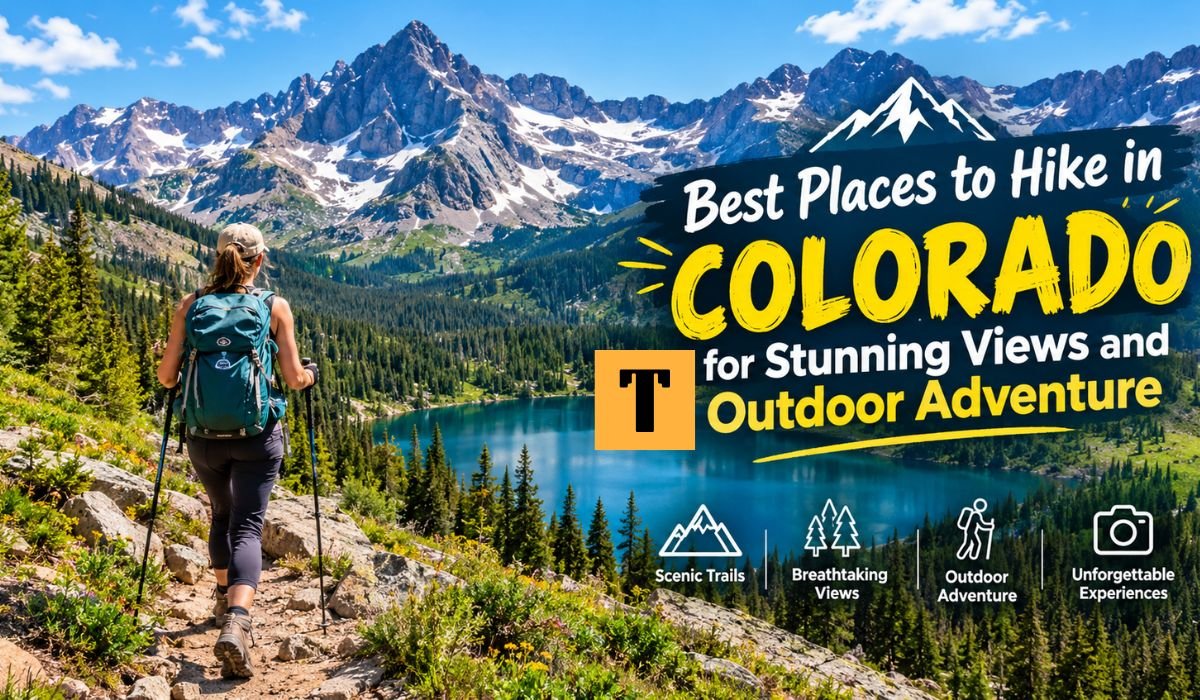
Colorado Has A Way Of Making A Simple Hike Feel Like A Full Adventure. In A Single State, You Can Walk Beside Clear Alpine Lakes, Follow Trails Through Wildflower Meadows, Wander Beneath Towering Red Rocks, Climb Across Vast Sand Dunes, Or Stand Above A Deep Canyon. That Remarkable Variety Is What Makes The Best Places To Hike In Colorado So Appealing To All Kinds Of Travelers.
A Family Looking For An Easy Scenic Walk Will Have Very Different Needs From An Experienced Hiker Planning A High-Altitude Day In The Mountains. Distance Matters, But So Do Elevation, Elevation Gain, Terrain, Weather, Seasonal Access, And Personal Experience. A Short Trail At High Elevation, For Example, Can Be Much More Demanding Than A Longer Walk At Lower Elevation.
This Guide Takes A Closer Look At Six Standout Colorado Hiking Destinations And What Makes Each One Worth Visiting. It Also Covers The Best Options For Different Travelers, The Seasons To Consider, Reservation And Access Rules, Safety, And The Practical Details That Can Turn A Good Hiking Day Into A Great One.
Quick Bio Information
| Fact | Information |
|---|---|
| Destination | Colorado, USA |
| Main Attraction | Scenic Hiking And Outdoor Adventure |
| Featured Landscapes | Mountains, Alpine Lakes, Red Rocks, Dunes, And Canyons |
| Top National Park For Variety | Rocky Mountain National Park |
| Iconic Mountain Landscape | Maroon Bells |
| Challenging Featured Hike | Ice Lake Basin |
| Unique Hiking Experience | Great Sand Dunes National Park |
| Family-Friendly Destination | Garden Of The Gods |
| Canyon Hiking Destination | Black Canyon Of The Gunnison |
| Best For Alpine Lakes | Rocky Mountain National Park |
| Best For Photography | Maroon Bells |
| Best For Wildflowers | Ice Lake Basin |
| Best For Red Rocks | Garden Of The Gods |
| Best For Dunes | Great Sand Dunes National Park |
| Important Planning Factor | Elevation |
| Major Weather Concern | Mountain Thunderstorms |
| Essential Supplies | Water, Layers, Sun Protection, And Navigation |
| Best Planning Habit | Check Current Conditions Before Hiking |
Best Places To Hike In Colorado At A Glance
There Isn’t One Colorado Trail That Works For Every Hiker. That’s Part Of The Fun. The State’s Most Popular Hiking Destinations offer remarkably different landscapes and levels of challenge, so the best choice often comes down to what you want to see and how hard you want to work for it.
Rocky Mountain National Park Is A Natural Choice For Variety, With Alpine Lakes, Forests, Waterfalls, And High-Mountain Terrain. Maroon Bells Brings Together Dramatic Peaks, Reflective Water, And Aspen Forests In One Of The State’s Most Recognizable Landscapes. Ice Lake Basin Is A More Demanding Option For Hikers Comfortable With High Elevation, While Great Sand Dunes Delivers An Experience That Looks And Feels Nothing Like A Conventional Mountain Trail.
Garden Of The Gods Is Particularly Appealing To Families And Casual Hikers Who Want Impressive Scenery Without A Strenuous Alpine Climb. Black Canyon Of The Gunnison Offers Yet Another Perspective, Replacing Mountain Meadows With Steep Canyon Walls And Sweeping Rim Views.
Rocky Mountain National Park: Alpine Lakes And Mountain Views
Rocky Mountain National Park Is One Of The Most Versatile Places To Hike In Colorado. Its Extensive Trail Network Moves Through Forests, Past Waterfalls And Alpine Lakes, And Into Open High-Mountain Terrain Above Treeline. The Bear Lake Road Corridor Is Especially Popular, Giving Visitors Access To Places Such As Bear Lake, Sprague Lake, Glacier Gorge, And Trails Leading Toward Emerald Lake.
One Of The Things That Makes Hiking Here Special Is How Quickly The Landscape Can Change. A Trail That Begins In A Forest Can Eventually Open Onto A Much More Exposed Mountain Environment. That Change Also Matters When It Comes To Difficulty. Elevation And Weather Can Make A Route Feel Significantly Harder Than Its Mileage Suggests.
Visitors Planning A 2026 Trip Need To Pay Close Attention To Timed-Entry Requirements. The National Park Service Says Timed Entry Is Required For The Rest Of The Park Between 9 A.M. And 2 P.M. From May 22 Through October 12. The Bear Lake Road Corridor Has Its Own Timed-Entry Requirement Between 5 A.M. And 6 P.M. From May 22 Through October 18. Certain periods outside those windows don’t require timed entry, although visitors still need a valid park entrance pass. Checking the current rules before leaving for the park is essential.
Maroon Bells: Iconic Peaks, Lakes, And Aspen Forests
Near Aspen, Maroon Bells Is One Of Those Places That Looks Almost Too Perfect To Be Real. The Distinctive Peaks Rise Above Maroon Lake, And Their Reflections On The Water Create The Classic Colorado Scene That Draws Photographers And First-Time Visitors Year After Year.
The Landscape Changes Noticeably With The Seasons. Summer Brings Green Vegetation And Clear Mountain Views, While Fall Adds The Golden Color Of Aspen Groves. Visitors don’t have to attempt a technical summit to appreciate the area. There are scenic walks for casual visitors, while longer routes into the surrounding wilderness can provide a more demanding experience for prepared hikers.
That popularity comes with a little extra planning. Maroon Bells Uses Managed Access During Busy Periods, With Shuttle And Parking Arrangements Depending On The Date And Method Of Entry. Overnight Trips Into The Surrounding Wilderness Can Also Require Separate Permits. Because These Requirements Can Change, It’s Wise To Confirm Current Access Information Before Making The Trip.
Ice Lake Basin: A Challenging High-Altitude Adventure
Ice Lake Basin Near Silverton Is The Kind Of Destination That Appeals To Hikers Who Don’t Mind Earning Their View. The Route Climbs Through Forest And Open Mountain Terrain Before Reaching The Brilliant Alpine Waters Of Ice Lake, With The Rugged San Juan Mountains Providing A Dramatic Backdrop.
The Scenery Is A Major Reward, But The Hike Demands Respect. Elevation Gain, Steeper Sections, Uneven Ground, And High-Altitude Conditions Can Turn The Route Into A Serious Physical Challenge. Once The Trail Reaches More Exposed Ground, Shelter From Changing Weather Becomes Limited.
During The Appropriate Season, Wildflowers Add Even More Color To The Basin. But Beautiful Weather In The Morning Doesn’t Guarantee Calm Conditions All Day. Afternoon Thunderstorms Can Develop Quickly In High Mountain Areas, Making An Early Start And Regular Weather Checks Especially Important. Reaching The Destination Isn’t Worth Ignoring A Storm Or Continuing When Conditions No Longer Feel Safe.
Great Sand Dunes National Park: A Hike Unlike Any Other
Great Sand Dunes National Park And Preserve Changes The Definition Of A Colorado Hike. There Isn’t A Traditional Mountain Trail Leading Across Much Of The Dunefield. Instead, Hikers Can Choose Their Own Route Across An Enormous Landscape Of Moving Sand.
The Park Is Home To The Tallest Dunes In North America, And High Dune On The First Ridge Is A Popular objective. Longer Adventures Can Continue Toward More Remote Dune Features. Walking Through Loose Sand, However, Takes More Effort Than Walking On A Firm Trail. Every Step Can Sink, Slide, Or Require Extra Energy, So Even A Short Distance Can Feel Surprisingly Strenuous.
Summer Brings Another Challenge: Heat. The National Park Service Notes That Sand Temperatures Can Reach Around 150°F On Sunny Summer Afternoons. Thunderstorms Can Also Create A Dangerous Lightning Risk. For That Reason, Early Morning And Evening Are Often Better Times To Explore The Dunes During Hot Weather. Water, Sun Protection, Suitable Footwear, And Careful Weather Awareness Should Be Part Of The Plan.
Garden Of The Gods: Easy Red-Rock Hiking For Families
Garden Of The Gods In Colorado Springs Offers An Easy Way To Experience Some Of Colorado’s Most Dramatic Scenery. Massive Red Sandstone Formations Rise From The Landscape, Creating A Striking Setting That Feels Much More Remote Than Its Convenient Location Suggests.
The Park Has More Than 20 Miles Of Trails, Including Routes Designed For Different Abilities. Perkins Central Garden Trail Is One Of The Easiest Options, Covering About 1.5 Miles Round Trip With Very Little Elevation Gain. For Families, Casual Walkers, And Travelers With Limited Hiking Experience, That Combination Of Accessibility And Scenery Is A Major Advantage.
The Easy Nature Of Some Trails Doesn’t Diminish The Visual Experience. Towering Rock Formations, Open Views, And Pikes Peak In The Distance Give Garden Of The Gods Plenty Of Photogenic Moments. It’s A Particularly Good Choice For Visitors Who Want A Memorable Outdoor Experience Without Spending The Day On A High-Elevation Mountain Trail.
Black Canyon Of The Gunnison: Dramatic Views Along The Rim
Black Canyon Of The Gunnison National Park Offers A Completely Different Kind Of Colorado Scenery. Instead Of Wide Alpine Valleys, Visitors Encounter Narrow, Deep Canyon Walls Cut Into Dark Rock. The Result Is A Landscape That Feels Powerful Even When The Hike Itself Is Relatively Short.
On The South Rim, The Rim Rock Nature Trail Travels About One Mile Between The South Rim Campground And Visitor Center. The Route Includes Uneven Ground And Some Steps, But It Allows Visitors To Enjoy The Canyon Without Attempting A More Demanding Inner-Canyon Route.
The Drop-Offs Deserve Serious Attention. Hikers Should Stay Aware Of Their Surroundings And Keep Children Close, Particularly Near Exposed Areas. Rather Than Rushing Through The Trail, Take Time At Safe Viewpoints To Appreciate The Depth Of The Canyon And The Gunnison River Below.
More Scenic Hiking Destinations In Colorado
The Six Destinations Covered Here Are Only A Starting Point. Colorado Has An Enormous Network Of Trails Across National Forests, Wilderness Areas, Mountain Communities, And Public Lands. Depending On The Region And Season, Hikers Can Find Waterfalls, Alpine Passes, Wildflower Meadows, Lakes, Forests, And High Mountain Ridges.
Exploring Beyond The Most Famous Names Can Also Change The Experience. Popular Trails Can Become Busy During Peak Summer Periods, While Lesser-Known Routes May Offer A Quieter Day. Still, A Trail Being Less Famous Doesn’t Automatically Make It Easier. Elevation, Weather, Navigation, Terrain, And Seasonal Conditions Remain Important Wherever You Go.
When Looking For Colorado Hiking Trails, Start With The Type Of Experience You Want. Someone Searching For A Peaceful Wildflower Walk Has Different Priorities From A Traveler Hoping To Climb A High Mountain Pass. Matching The Landscape And Difficulty To Your Goals Usually Produces A Better Day Outdoors.
Best Colorado Hikes For Different Travelers
For Beginners And Families, Garden Of The Gods And Easier Routes In Rocky Mountain National Park Offer Accessible Ways To Experience Colorado’s Scenery. Travelers Focused On Photography May Be Drawn To Maroon Bells, Where Mountains, Water, And Aspen Forests Create A Particularly Memorable Setting.
Experienced Hikers Looking For A Significant Physical Challenge Can Consider Ice Lake Basin When Conditions Are Suitable. Great Sand Dunes Is Ideal For Travelers Who Want Something Far Removed From A Traditional Mountain Hike, While Black Canyon Of The Gunnison Appeals To Those Who Prefer Dramatic Canyon Views.
These Destinations Aren’t A Simple Ranking Of Better Or Worse Trails. They’re Different Experiences. Choosing The Right One Means Thinking About What You Want From The Day, How Much Time You Have, And What Level Of Challenge You’re Prepared To Handle.
How To Choose The Right Colorado Hiking Trail
Trail Length Can Be Misleading When You’re Trying To Judge Difficulty. Elevation Gain, Starting Elevation, Terrain, Exposure, Weather, And Your Own Fitness All Play A Role. A Short Hike At High Elevation May Feel Considerably Harder Than A Longer Walk On Flatter Ground.
Altitude Is Particularly Important For Visitors Coming From Lower Elevations. The Higher You Go, The More Demanding Physical Activity Can Feel. Instead Of Trying To Maintain The Same Pace You Use At Home, Start Comfortably And Give Yourself Time To See How Your Body Responds.
Don’t Forget About The Return Trip. A Route That Feels Manageable At The Beginning May Be More Difficult Once Fatigue Sets In. Leave Enough Time And Energy To Get Back, And Don’t Hesitate To Turn Around If Weather, Terrain, Or Your Own Condition Makes Continuing A Poor Choice.
Best Time To Go Hiking In Colorado
Summer And Early Fall Are Among The Most Popular Seasons For Colorado Hiking. Many Trails Have Broader Access During This Period, And Mountain Landscapes Can Be Especially Colorful. Summer Can Bring Wildflowers And Warmer Temperatures, While Early Fall Offers Cooler Air And, In Many Mountain Areas, Brilliant Aspen Color.
Conditions Can Still Vary Dramatically From One Trail To Another. Snow May Remain On Higher Routes Even When Lower Areas Are Warm And Dry. Summer Afternoons Can Also Bring Thunderstorms, Especially In Exposed Mountain Terrain.
Spring And Winter Require Even More Planning. Snow, Ice, Mud, Seasonal Closures, Shorter Daylight, And Other Mountain Hazards Can Change A Familiar Summer Route Completely. Before Setting Out, Check The Current Conditions For The Specific Trail, Road, Park, Or Forest You Plan To Visit.
Colorado Hiking Safety: What To Know Before You Go
Good Preparation Starts Before You Reach The Trailhead. Colorado’s Mountain Weather Can Change Quickly, And High-Elevation Routes May Offer Very Little Protection Once You Leave The Trees.
Bring Enough Water And Food For The Planned Outing, Protect Yourself From Strong Sun, Dress In Layers, And Wear Footwear That Matches The Terrain. A Downloaded Map Or Reliable Navigation Method Is Worth Having, Particularly In Areas Where Cell Service Isn’t Guaranteed.
Thunderstorms Deserve Special Attention. If Weather Begins To Deteriorate While You’re On Exposed Ground, Don’t Wait Until The Storm Is Directly Overhead To Change Your Plans. Great Sand Dunes, In Particular, Carries A Serious Lightning Risk During Thunderstorms, And The National Park Service Advises Visitors To Leave The Dunes When Storms Approach.
Altitude Also Deserves Respect. Visitors Who Aren’t Used To Colorado’s Elevation Should Take The First Part Of A Hike Slowly And Pay Attention To How They Feel. Hiking Responsibly Means Knowing Your Limits And Being Prepared To Change Your Plans.
Reservations, Permits, Parking, And Trail Access
Some Of Colorado’s Most Popular Hiking Areas Require More Planning Than Simply Driving To A Trailhead. Rocky Mountain National Park’s 2026 Timed-Entry System Is A Good Example. Visitors Need To Select The Appropriate Reservation Based On Where They Intend To Go And When They Plan To Arrive. The Assigned Entry Window Also Matters.
Maroon Bells Uses Managed Access During Busy Periods, Including Shuttle And Parking Arrangements That Depend On The Season And Type Of Visit. Overnight Trips Into The Surrounding Wilderness Can Have Additional Permit Requirements.
Not Every Colorado Hiking Trail Requires A Reservation, But Visitors Should Never Assume That Rules Are The Same Everywhere. Access Policies, Parking Arrangements, Seasonal Closures, And Permit Requirements Can Change. Checking The Official Information Shortly Before A Trip Is One Of The Simplest Ways To Avoid Problems At The Trailhead.
What To Pack For A Colorado Hiking Adventure
Packing Should Match The Trail, Not Just The Weather Forecast At Your Hotel. A Short Walk Around Colorado Springs Requires A Different Approach From A High-Altitude Hike In The San Juan Mountains.
Water, Food, Sun Protection, Layers, Suitable Hiking Shoes, Navigation, And Basic Emergency Supplies Are Sensible Essentials. Higher Trails Can Be Much Colder Than The Trailhead, So A Warm Layer And Weather Protection Can Be Valuable Even On A Summer Morning.
Great Sand Dunes Calls For Extra Attention To Heat, Hydration, And Sand. Longer Or More Remote Routes May Also Justify Extra Food, A First-Aid Kit, A Headlamp, And An Emergency Communication Option. The Further You Travel From Easy Access, The More Important It Becomes To Plan For An Unexpected Delay.
Tips For Making The Most Of Colorado’s Scenic Trails
The Best Hiking Days Aren’t Always The Ones Where You Cover The Most Ground. Give Yourself Time To Stop At Scenic Areas, Drink Water, Take Photographs, And Simply Look Around. Colorado’s Landscapes Reward People Who Slow Down Enough To Notice Them.
Starting Early Can Be Particularly Useful On Popular Trails And High-Elevation Routes. It can help with busy trailheads and parking, while also giving hikers more time before afternoon weather becomes unsettled.
Stay On Appropriate Trails, Respect Wildlife, Follow Local Regulations, And Practice Leave No Trace Principles. Most Of All, Stay Flexible. If A Storm Moves In, A Route Takes Longer Than Expected, Or Your Energy Starts Running Low, Changing The Plan Isn’t A Failure. It’s Part Of Responsible Hiking.
Final Thoughts
Colorado’s Greatest Strength As A Hiking Destination Is Its Variety. You Can Walk Beside An Alpine Lake In Rocky Mountain National Park, Photograph The Peaks Around Maroon Bells, Climb Toward The Turquoise Waters Of Ice Lake Basin, Cross The Sand At Great Sand Dunes, Wander Beneath Red-Rock Formations At Garden Of The Gods, Or Look Into The Depths Of Black Canyon Of The Gunnison.
The Best Places To Hike In Colorado Ultimately Depend On The Experience You Want. Beginners May Value Accessibility, Experienced Hikers May Look For Elevation And Physical Challenge, Families May Need Shorter Routes, And Photographers May Care Most About Landscape, Light, And Seasonal Color.
Whatever Trail You Choose, Preparation Will Make The Experience Better. Check Current Conditions, Understand The Elevation, Watch The Weather, Confirm Access Requirements, Carry What You Need, And Leave Enough Time For The Return Journey. Colorado Has Plenty Of Big Views, But Some Of The Most Memorable Moments Come When You Stop Chasing The Next Viewpoint And Simply Take In The Landscape Around You.
FAQs About Hiking In Colorado
What Are The Best Places To Hike In Colorado?
Rocky Mountain National Park, Maroon Bells, Ice Lake Basin, Great Sand Dunes National Park, Garden Of The Gods, And Black Canyon Of The Gunnison Are Six Standout Choices. Each Offers Something Different, So The Right Destination Depends On Your Preferred Scenery, Fitness, Experience, And Available Time.
What Is A Good Colorado Hike For Beginners?
Garden Of The Gods Is One Of The More Accessible Options, With Easy Scenic Trails And Very Little Elevation Gain On Routes Such As Perkins Central Garden Trail. Rocky Mountain National Park Also Offers Easier Trails, Although Visitors Still Need To Consider Elevation, Weather, And Current Trail Conditions.
Which Colorado Hikes Have The Best Views?
That Depends On The Kind Of Landscape You Prefer. Maroon Bells Is Known For Mountain And Lake Views, Rocky Mountain National Park Offers Alpine Scenery, Garden Of The Gods Features Dramatic Red Rocks, Great Sand Dunes Provides A Vast Dune Landscape, And Black Canyon Of The Gunnison Delivers Deep Canyon Vistas.
Is Hiking In Colorado Difficult Because Of The Altitude?
Altitude Can Make Hiking Feel More Difficult, Especially For Visitors Who Live At Lower Elevations. Elevation Gain Can Add Another Layer Of Difficulty. Starting At A Comfortable Pace, Paying Attention To How You Feel, And Allowing Enough Time For The Hike Can Help You Manage The Experience More Responsibly.
When Is The Best Time To Hike In Colorado?
Summer And Early Fall Are Popular For Many Colorado Hiking Trails. Summer Can Bring Wildflowers And Wider Access, While Early Fall Often Offers Cooler Temperatures And Autumn Color. Higher Trails Can Still Have Snow Or Rapidly Changing Weather, So Current Conditions Matter More Than A Calendar Date Alone.
Do You Need Reservations For Colorado Hiking?
Some Destinations Require Reservations Or Permits, While Others Do Not. Rocky Mountain National Park Has Specific Timed-Entry Requirements During Certain 2026 Hours, And Maroon Bells Uses Managed Access During Busy Periods. Always Check The Current Requirements For Your Destination Before Traveling.
What Should I Bring On A Colorado Hike?
Water, Food, Sun Protection, Layers, Suitable Footwear, Navigation, And Basic Emergency Supplies Are Good Essentials. More Demanding Or Remote Routes May Require Extra Clothing, Additional Food, A Headlamp, And More Specialized Equipment.
Are Colorado Trails Suitable For Families?
Many Are, But Families Should Choose A Trail Based On The Children’s Ages, Experience, Fitness, And Conditions On The Day. Garden Of The Gods Has Particularly Accessible Options, While Rocky Mountain National Park Also Offers Easier Routes Alongside More Demanding Trails. Distance, Elevation, Terrain, Weather, And Safety Should All Be Considered.
Learn more and explore exciting content on: Who Is Lisa Kudrow Husband? Meet Michel Stern and Learn About Their Marriage











Leave a Reply