
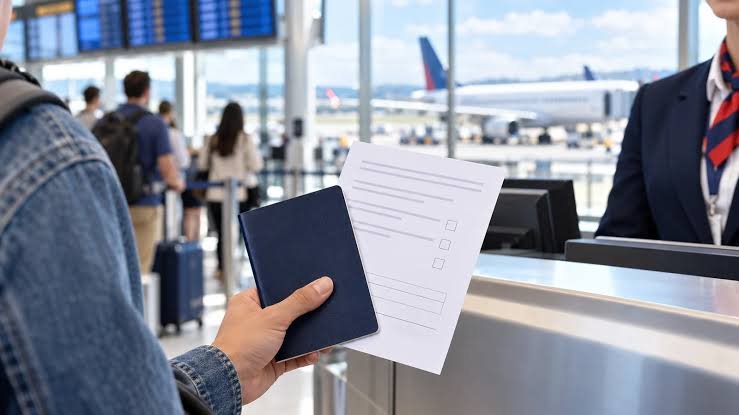
International travel has become more accessible than ever, allowing people to explore new destinations, visit family, attend business meetings, and experience different cultures. However, preparing for an international journey still involves several important responsibilities. Travelers must ensure they have valid passports, visas, flight tickets, accommodation details, and other necessary documents before departure. Fortunately, digital technology is making these preparations easier by reducing paperwork and simplifying essential travel procedures.
Digital documentation has transformed the way travelers prepare for international trips. Instead of relying entirely on printed forms and physical documents, passengers can now complete many requirements online, store important information electronically, and access travel records whenever needed.
The Growing Importance of Digital Travel Documentation
Traditional travel documentation often involves printing forms, completing information manually, and keeping multiple papers organized. This process can become stressful, particularly for travelers visiting countries with different entry requirements.
Digital documentation offers a more convenient alternative. Travelers can complete certain forms online before arriving at their destination, reducing the amount of paperwork required at airports and immigration checkpoints.
One important example is a travel declaration, which allows travelers to provide relevant travel information electronically where supported by the destination country’s procedures. Completing the required declaration in advance can help passengers prepare more efficiently and avoid unnecessary confusion during their journey.
Saving Time at Airports
Airports are often among the busiest parts of international travel. Passengers must pass through check-in counters, security inspections, immigration procedures, and boarding gates. Missing documents or incomplete forms can create unnecessary delays.
Digital documentation helps reduce some of these challenges by allowing travelers to prepare information before reaching the airport. Depending on the destination, passengers may be able to submit arrival information, customs declarations, or health-related documentation through official online platforms.
Preparing these details ahead of time can make the arrival process more organized. Travelers should always check which documents are required by their destination and whether digital submissions are accepted.
Reducing Paperwork and Document Management
Keeping track of several physical documents can be difficult, especially during long international journeys. Paper forms may become damaged, misplaced, or difficult to access when needed.
Digital documents provide a practical solution. Travelers can save important records on their smartphones, tablets, or computers. This makes it easier to retrieve booking confirmations, travel insurance details, electronic visas, and other relevant information.
Cloud storage can also provide an additional layer of convenience by allowing travelers to access important files from different devices. However, keeping offline copies is equally important because internet access may not always be available.
Improving Accuracy and Preventing Mistakes
Incorrect information on travel documents can cause complications during international journeys. Even small mistakes involving passport numbers, names, flight details, or arrival dates may require corrections.
Digital forms can help minimize these problems by providing clear instructions and structured fields. Some platforms also include automatic formatting and validation features that alert users when required information is missing or incorrectly entered.
Travelers should carefully review every detail before submitting their information. Names, passport numbers, nationality, and travel dates should match the information shown on official identification documents.
Taking a few extra minutes to review an online form can help prevent avoidable problems later.
Making International Travel More Accessible
Digital documentation is particularly useful for people who travel frequently or visit multiple countries throughout the year. Business professionals, international students, tourists, and families can benefit from having their essential travel information organized electronically.
For example, business travelers often have tight schedules and may need to travel between countries for meetings and conferences. Online documentation allows them to complete certain administrative requirements before departure, helping them focus on their professional responsibilities.
Families can also benefit from digital preparation. Parents traveling with children can organize passports, consent letters where required, booking information, and other essential records in one convenient location.
Supporting More Efficient Border Procedures
Digital transformation is also helping governments and transportation authorities improve border management. Electronic systems can make it easier to collect passenger information, process declarations, and organize arrival procedures.
Some destinations use electronic travel authorization systems, digital customs forms, or online arrival cards to simplify specific parts of the entry process.
These systems can improve administrative efficiency while helping travelers understand what information they need to provide. Nevertheless, requirements vary between countries, so passengers should consult official government websites before traveling.
Digital submissions do not automatically replace passports, visas, or other mandatory documents. Travelers must still meet all applicable immigration and entry requirements.
Essential Tips for Using Digital Travel Documents
To make the most of digital documentation, travelers should develop a simple preparation routine before every international trip.
Here are several useful practices:
- Check entry requirements: Review the official travel guidelines of your destination well before departure.
- Complete online forms early: Submit required arrival cards or declarations within the permitted timeframe.
- Verify personal information: Make sure all details match your passport and other official documents.
- Keep digital backups: Save copies of important documents on a secure device or cloud storage service.
- Prepare offline access: Download essential documents so they remain accessible without an internet connection.
- Protect personal information: Use secure websites and avoid sharing sensitive travel details through untrusted platforms.
These straightforward steps can make travel preparation more organized and reduce the risk of unexpected documentation issues.
The Future of International Travel
Digital documentation will likely continue playing an important role in the future of international travel. As governments and travel organizations invest in modern technology, passengers may experience more integrated systems for identity verification, document submission, and border processing.
Mobile applications, biometric verification, and secure digital identity solutions are already influencing how certain travel procedures operate. These developments could make international journeys more convenient while improving the management of passenger information.
However, technology must remain accessible, secure, and reliable. Travelers should have clear instructions and alternative options when digital services are unavailable.
Conclusion
Digital documentation is making international travel easier by simplifying paperwork, improving preparation, and helping passengers organize essential information before departure. From electronic arrival cards to online declarations, modern tools are reducing some of the traditional challenges associated with cross-border journeys.
By preparing documents in advance traveldecl.com, checking official entry requirements, and using reliable digital services, travelers can enjoy a more organized experience. As technology continues to develop, digital documentation will remain an important part of making international travel smoother, more efficient, and more convenient.


















Leave a Reply