
Pilates is a form of movement which develops one’s strength, equilibrium, and self-control. It was developed by Joseph Pilates during the beginning of the twentieth century under the name Contrology. The author of his book on the subject is 1945. Nowadays there are numerous Pilates studios offering their services globally with an opportunity for those passionate about it to instruct others. A Pilates instructor course trains you to do that safely. You learn the techniques, the physique, and how to direct a group. Your courses really demand hard work – it helps greatly if you have an idea of what’s ahead. This manual will cover everything you study, how best to get ready, how long your training will be, and just what each phase will be like.
What Will You Study?
You’ll be studying three key subjects – your body, the techniques themselves, and how to teach them effectively. Body study really refers to anatomy itself. The human body contains more than 600 muscles – and you’ll discover the major ones worked by Pilates exercises, such as the abdominals, hips, back, and shoulders.
Method study explores the six classic principles – concentration, control, centering, flow, precision, and breathing. Many classes begin on a mat before progressing to special equipment such as the reformer – something else that Joseph Pilates designed himself. His original mat work has 34 exercises. Teaching study is the hardest part for many people. Knowing a move is easy. Explaining it in ten clear words is not.
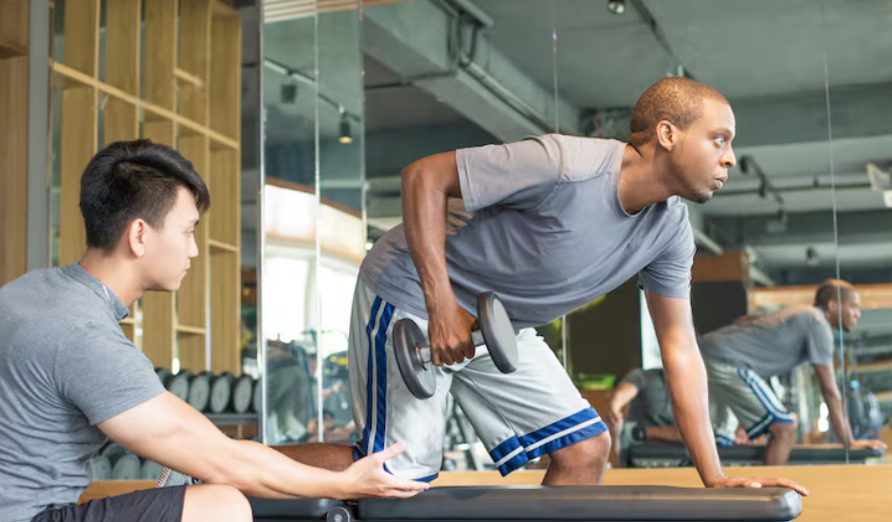
Expect to move before you teach. You cannot cue what you cannot feel. Watching ten bodies at once is a skill too. You must spot a lifted shoulder or a tucked pelvis and fix it with one calm sentence. That eye comes from reps.
How Do You Prepare for Training?
Start months before day one. The best students arrive already moving well. Use this list:
- Take classes first. Learn how a session feels from the other side.
- Read basic anatomy. Know the spine, hips, shoulders, and core muscles.
- Practise the basic mat moves at home until they feel smooth.
- Record yourself giving cues out loud. Short, clear cues are most of the job.
- Plan weekly study time. Home practice counts as much as class time.
- Ask about exam, hours, and cost before you pay a deposit.
Go slow and steady. A student who learns ten moves well beats one who half learns thirty.
How Long Does Training Take?
Full programs often run around 450 hours or more. The Pilates Method Alliance, a US body, lists 450 hours for its full certification route. Mat-only courses are shorter because they need little equipment.
What Does a Course Usually Include?
Most courses test what you know and how you teach. Here is the usual path from first class to final test.
| Stage | What happens | Skill you gain |
|---|---|---|
| Theory | Anatomy and principles | Know why each move works |
| Observation | Watch real classes | Spot form and mistakes |
| Practice | Do every move yourself | Feel each exercise |
| Practice teaching | Teach your classmates | Give clear cues |
| Assessment | Written exam and teaching test | Prove safe skills |



Leave a Reply