
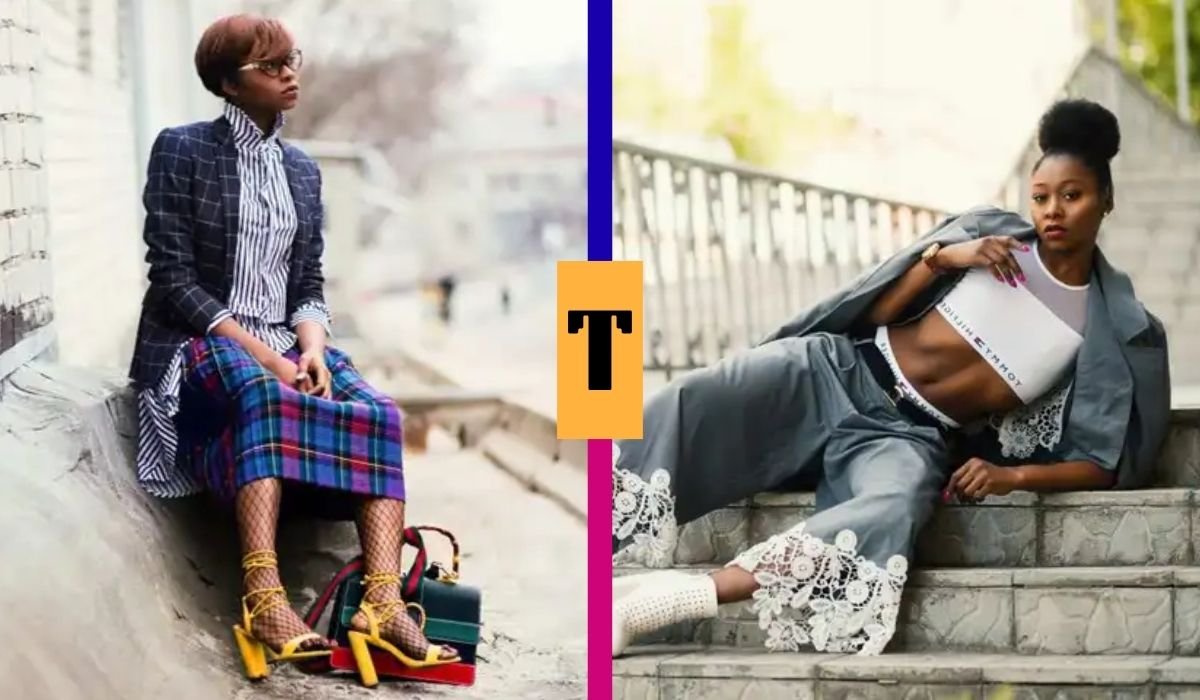
Few modern slang expressions can switch from praise to criticism as quickly as Slay Queen. In one conversation, the words might celebrate a woman who looks stylish, confident, and completely in command of her appearance. In another, they can carry a sharper meaning, suggesting materialism, status-seeking, or an obsession with maintaining a glamorous image.
That contrast is central to understanding the Slay Queen Meaning. There isn’t one definition that works everywhere. Culture, location, tone, and even the relationship between the people speaking can change what the phrase means.
The story also goes deeper than social media. The modern slang use of slay has important connections to Black and Latino queer ballroom culture, where language celebrating exceptional style, performance, and presentation became influential well beyond the ballroom scene. Over time, expressions built around slay traveled through entertainment, fashion, popular culture, and eventually social media.
In parts of Africa, Slay Queen developed additional meanings of its own. It can still describe a glamorous, fashionable woman, but it may also be used critically when talking about conspicuous consumption, carefully constructed online lifestyles, or assumptions involving wealth and relationships.
So, who is actually a Slay Queen? The answer depends on context. Looking at the phrase’s history, fashion, social media presence, cultural meaning, and stereotypes gives us a much clearer picture.
Quick Bio Information
| Information | Details |
|---|---|
| Term | Slay Queen |
| Type | Informal Slang Expression |
| Common Meaning | A Stylish Or Glamorous Woman |
| Other Meaning | A Critical Label For Perceived Materialism Or Performative Luxury |
| Gender Association | Mainly Women |
| Related Male Term | Slay King |
| Core Themes | Style, Confidence, Beauty, And Presentation |
| Common Setting | Social Media And Popular Culture |
| Fashion Connection | Trendy Or Glamorous Clothing |
| Beauty Connection | Hair, Makeup, Nails, And Grooming |
| Digital Connection | Selfies And Lifestyle Content |
| Luxury Connection | Fashion, Travel, Dining, And Entertainment |
| Positive Usage | Praise For Style, Confidence, Or Achievement |
| Negative Usage | Criticism Of Status-Seeking Or Materialism |
| Related Slang | Slay |
| Related Online Term | Baddie |
| Meaning Universal? | No |
| Meaning Depends On | Culture, Tone, Location, And Context |
What Does Slay Queen Mean?
At its most positive, Slay Queen describes a woman who looks impressive, carries herself confidently, or has a strong sense of personal style. A friend might use the expression after seeing an outstanding outfit, a beautifully executed makeup look, a striking photograph, or even an impressive performance.
That interpretation grows naturally from the informal meaning of slay. In contemporary English slang, telling someone they “slayed” generally means they performed exceptionally well or made a powerful impression.
But the phrase Slay Queen has taken on other meanings as it has traveled between communities. In some settings, it is used critically for a woman perceived as placing too much importance on glamour, expensive experiences, social status, nightlife, or the appearance of wealth.
This is why context matters so much. Slay Queen isn’t a formal social category, nor does it describe one specific personality type. Sometimes it’s enthusiastic praise. Sometimes it’s teasing. Sometimes it’s openly judgmental.
Understanding who said it, how they said it, and the cultural setting in which it was used is usually the best way to understand what they meant.
Where The Slay Queen Expression Comes From
The history behind Slay Queen stretches further back than Instagram captions and viral videos.
The English word slay is centuries old, with its traditional meaning referring to killing. Figurative uses also developed over time. The modern slang meaning, however, turned the word into something celebratory: to slay could mean to impress, excel, dominate a performance, or look exceptionally good.
An important chapter in that development took place within Black and Latino queer ballroom culture. By the late twentieth century, language around slaying was being used to celebrate exceptional fashion, hair, makeup, attitude, and performance. Ballroom and drag communities had a significant influence on vocabulary that would later become familiar in mainstream entertainment and fashion.
As those cultural influences spread, slay became increasingly recognizable outside its earlier communities. Television, music, celebrity culture, fashion, and eventually social media carried the expression to wider audiences. Phrases such as “slay,” “you slayed,” and “slay queen” became common forms of praise.
Yet language rarely stays unchanged as it travels. In some African societies, Slay Queen acquired distinct regional meanings. Researchers and cultural commentators have documented uses connected with glamour, online visibility, conspicuous consumption, and, in more negative interpretations, assumptions about women’s finances and relationships.
The result is the layered expression we have today: one phrase with several meanings shaped by different cultural histories.
Slay Queen Meaning In African Popular Culture
Understanding the Slay Queen Meaning In Africa requires some care because Africa isn’t a single cultural or linguistic community. The phrase may be familiar across several countries, but its meaning and emotional tone aren’t necessarily identical everywhere.
Usage has been documented in places including Nigeria, Kenya, and South Africa. In everyday conversation, a Slay Queen may simply be understood as a glamorous young woman who takes fashion and appearance seriously. She may enjoy stylish clothing, beauty trends, social events, travel, or creating attractive online content.
The expression can also become much more critical.
Research and public discussions in some African contexts have connected the label with visible consumption, expensive lifestyles, social media status, and assumptions about how those lifestyles are financed. In its harshest form, the term may be used to question a woman’s independence, relationships, or personal values.
Those assumptions shouldn’t be confused with facts.
In many ways, the label reveals wider social attitudes toward gender, money, sexuality, consumption, and women’s visibility in public life. A fashionable social media profile tells viewers what someone chose to post. It doesn’t provide reliable evidence about her income, relationships, education, work, or character.
Common Slay Queen Traits And Characteristics
Ask people to picture a Slay Queen, and many will imagine a recognizable aesthetic: fashionable clothing, carefully styled hair, polished makeup, manicured nails, attractive accessories, and photographs designed to make an impression.
Confidence is often part of that picture as well. In the positive sense of the word slay, being noticed is precisely the point. A striking outfit or beautifully executed look can become a form of personal expression.
The more negative stereotype adds a different set of supposed characteristics. A woman labeled a Slay Queen may be described as overly concerned with luxury, attention, popularity, wealthy social circles, or appearing successful online.
That’s where a useful distinction needs to be made.
Style is visible; character isn’t. You can see someone’s clothes, makeup, hairstyle, or photographs, but those things don’t tell you whether she is financially responsible, academically accomplished, professionally ambitious, independent, generous, private, or deeply thoughtful.
Treating popular Slay Queen characteristics as an aesthetic rather than a personality checklist produces a much fairer and more accurate understanding of the term.
Slay Queen Fashion And Beauty
Fashion sits at the heart of the Slay Queen Aesthetic, but there is no official uniform.
The overall goal is usually a polished, intentional appearance. Depending on personal taste, that might involve statement dresses, fitted outfits, stylish shoes, fashionable handbags, jewelry, sunglasses, or carefully coordinated accessories.
Hair and beauty are equally flexible. Natural hairstyles, braids, wigs, weaves, extensions, and other styles can all fit the aesthetic. Makeup can range from subtle and carefully finished to bold and dramatic.
What’s changed considerably in recent years is the idea that looking glamorous must mean wearing expensive designer products. Modern fashion culture makes it easy to mix premium items with affordable pieces. Vintage clothing, independent brands, budget fashion, and creative styling can all produce a distinctive look.
In other words, the Slay Queen Look is better understood through presentation than price. Knowing how to combine clothing, grooming, accessories, and confidence can matter far more than the name printed on a label.
Slay Queen Lifestyle And Luxury Culture
Luxury remains one of the strongest associations surrounding the Slay Queen Lifestyle.
Browse glamorous lifestyle content online and you’ll see many of the familiar ingredients: fashionable restaurants, beautiful hotels, holidays, concerts, nightlife, designer accessories, expensive-looking cars, beauty treatments, and carefully chosen destinations.
These images fit naturally into social media because people tend to share memorable experiences. An elegant dinner is more likely to become a photograph than an ordinary meal at home.
The mistake comes when viewers assume they know the financial story behind the image.
Someone may genuinely be wealthy. Another person may have saved for a special holiday. A content creator could be attending an event for work. A fashion item might have been borrowed, rented, gifted, or purchased secondhand. An attractive location may simply have provided the perfect background for a photograph.
None of those possibilities can usually be determined from a post alone.
That distinction is particularly important because the negative Slay Queen stereotype often turns visible luxury into assumptions about financial irresponsibility or dishonesty. Evidence matters more than appearances.
Slay Queens And Social Media Culture
It would be difficult to separate the modern Slay Queen from the rise of visual social media.
Smartphones and image-driven platforms transformed personal presentation. Suddenly, an outfit wasn’t limited to the people who happened to see it in person. It could be photographed, edited, published, shared, and viewed by people around the world.
That change encouraged a new level of attention to backgrounds, lighting, poses, makeup, locations, captions, and overall visual identity. For someone interested in fashion and beauty, social media became both a stage and a creative workspace.
Still, posting glamorous photographs doesn’t automatically mean someone is pretending.
Social media is selective by nature. Most people share pictures they like rather than uploading every unsuccessful photograph, boring afternoon, or difficult moment. A carefully maintained feed is therefore not unusual.
There’s also a professional side that stereotypes often miss. Fashion and beauty content can support personal branding, modeling, styling, photography, beauty businesses, influencer work, and other forms of content creation.
For some women, the polished online image associated with Slay Queen culture isn’t simply about attention. It can be part of a genuine creative or commercial strategy.
Filters And The Perfect Online Image
The pressure to look polished online has grown alongside increasingly sophisticated editing tools.
Lighting can be adjusted in seconds. Filters can change colors and atmosphere, while more advanced tools can alter skin texture, facial details, and other elements of an image. Add careful posing and dozens of photographs from which to choose, and the final post can look remarkably effortless.
Of course, it often isn’t.
This matters because viewers may unknowingly compare their ordinary appearance or everyday routine with somebody else’s carefully produced highlight.
Beauty can appear flawless. Holidays can look permanently luxurious. Relationships can seem endlessly happy. Success can appear effortless.
The Slay Queen Image is therefore part of a much larger conversation about online authenticity.
Editing a photograph isn’t automatically dishonest. Photography has always involved decisions about framing, lighting, styling, and selection. The healthier approach is simply to remember what you’re looking at: a chosen image from someone’s life, not the entirety of that life.
Online Image Versus Real Life
One glamorous weekend can generate enough photographs for weeks of social media posts. A single elegant dinner can appear in several stories, photographs, and videos. Someone can spend most of the month following an ordinary routine while their profile tells a much more glamorous visual story.
That’s curation, and it isn’t unique to Slay Queen culture.
Travel creators highlight beautiful destinations. Professionals showcase career achievements. Fitness influencers share workouts and physical progress. Fashion creators publish their strongest outfits.
People naturally select the parts of life they want others to see.
For that reason, the gap between an Online Image And Real Life shouldn’t automatically be treated as deception. The problem begins when audiences forget that selection is happening.
The same principle works in both directions. A glamorous profile doesn’t prove that someone is wealthy, but it also doesn’t prove that she is secretly struggling. Without reliable information, both conclusions are assumptions.
Slay Queen Dating And Common Stereotypes
Few parts of the Slay Queen Stereotype are as controversial as dating.
In some East and Southern African discussions, the expression has been connected with relationships involving so-called sponsors or blessers—wealthier partners who may provide money, gifts, travel, or other forms of financial support. Researchers have examined such relationships within broader discussions of gender, inequality, sexuality, consumption, and power.
That cultural context helps explain why the stereotype exists. It doesn’t justify applying it to every fashionable woman.
You cannot reliably determine someone’s romantic intentions by looking at her handbag, hairstyle, makeup, photographs, or favorite restaurants.
A woman described as a Slay Queen might pay for her own lifestyle. She might be employed, studying, running a business, working in fashion, married, single, dating, or completely uninterested in romantic relationships.
A responsible explanation of Slay Queen Meaning should acknowledge the dating stereotype because readers encounter it frequently. It should also make equally clear that a stereotype isn’t evidence about an individual person.
Slay Queen Versus Slay King
The expression Slay King is sometimes used as the male counterpart of Slay Queen.
In friendly or positive conversation, it can describe a stylish man who dresses well, looks confident, or has made a particularly strong impression. Someone might use it after seeing an excellent suit, hairstyle, photograph, or performance.
As with Slay Queen, however, tone can change everything.
A sarcastic use of Slay King may suggest that a man is excessively concerned with fashion, status, nightlife, attention, or maintaining a glamorous lifestyle.
The comparison illustrates one of the most interesting features of modern slang: the same expression can move between admiration and criticism without changing its basic wording.
Context does the work.
Slay Queen Versus Baddie
Slay Queen and Baddie often appear in similar conversations because both are associated with fashion, confidence, beauty, and polished social media presentation.
They aren’t exact synonyms.
A Baddie is generally associated with a strong visual aesthetic: carefully styled outfits, polished makeup, confidence, flattering photographs, and an intentional online image. The emphasis is often on appearance and attitude.
Slay Queen can include all of those qualities, but the expression carries additional cultural baggage in some places. In several African contexts, for instance, it may be associated more strongly with visible luxury, social status, nightlife, consumption, and assumptions about money.
Neither term represents a formal personality type, and neither has one permanently fixed meaning.
Like most internet slang, their definitions shift as communities adopt, adapt, and reinterpret them.
Is Slay Queen A Compliment Or An Insult?
The simplest answer is that Slay Queen can be both.
Imagine a friend arriving at an event in an outfit everyone loves. Calling her a Slay Queen may be affectionate praise—a way of saying she looks incredible and carries herself with confidence.
Now imagine the same expression delivered sarcastically during a conversation about someone’s spending habits or social media profile. Suddenly, it can sound dismissive or insulting.
The words haven’t changed. The intention has.
This is why caution is useful when applying the label to strangers. Someone who hears confidence and empowerment in the expression may welcome it, while another person may hear assumptions about her finances, relationships, or character.
When context is unclear, more precise language is often better.
Why Slay Queen Culture Became Popular
The rise of Slay Queen Culture makes more sense when viewed as part of a larger transformation in everyday life.
Smartphones placed capable cameras in millions of hands. Social platforms gave ordinary people audiences that previous generations simply didn’t have. International fashion trends became instantly accessible, while celebrities and influencers offered a constant stream of beauty, travel, and luxury imagery.
Personal style became public content.
An outfit could generate attention. Makeup skills could attract followers. A distinctive aesthetic could become a personal brand. In some cases, that brand could eventually produce professional opportunities.
Academic discussions of digital culture have also examined “slaying” in relation to visibility, beauty, femininity, identity, confidence, and self-presentation. Seen from that perspective, the phenomenon is more complicated than simple attention-seeking.
There are genuine opportunities for creativity and self-expression. There are also pressures to consume, compete, compare, and maintain an image.
Modern Slay Queen culture exists somewhere between those two realities.
Confidence, Criticism, And Modern Slay Culture
It’s easy for discussions about Slay Queens to become dominated by criticism, but doing so misses part of the picture.
Fashion is a legitimate form of self-expression. Makeup can be creative and artistic. Photography can become a serious skill. Learning how to dress in a way that makes you feel comfortable can strengthen confidence.
These interests can also lead somewhere professionally. Fashion styling, beauty services, modeling, photography, cosmetics, social media management, and content creation are all real areas of work.
The healthier side of Modern Slay Culture is therefore about expression rather than performance for approval.
Problems emerge when appearances become the primary measure of self-worth or when keeping up with an online image creates financial or emotional pressure. Constant comparison with highly polished profiles can make ordinary life feel less successful than it actually is.
Real confidence is much easier to sustain when style becomes something you enjoy rather than something you must constantly prove.
Achieving The Slay Queen Look Without Overspending
A polished Slay Queen Look doesn’t require an unlimited shopping budget.
Good style begins with knowing what works for you. Clothes that fit well, clean and suitable footwear, thoughtful accessories, good grooming, and a hairstyle you genuinely like can make a stronger impression than expensive products purchased simply for their labels.
Learning to combine pieces is equally valuable. One versatile jacket, handbag, or pair of shoes can work with several outfits. Affordable clothing can look polished when it is styled thoughtfully.
The same principle applies to photography. Natural light, an uncluttered background, good composition, and confident posture can dramatically improve a photograph without an expensive camera or luxurious setting.
Most importantly, fashion should fit your real financial situation.
There is nothing glamorous about creating unnecessary financial stress simply to convince strangers online that you’re wealthy. Personal style becomes much more enjoyable when it reflects who you are rather than what you’re trying to prove.
Why Context Matters When Using The Term
Understanding Slay Queen Meaning isn’t only about knowing the definition. It’s also about knowing when the expression is appropriate.
Because Slay Queen can carry both celebratory and derogatory meanings, casually applying it to every fashionable woman can create misunderstandings.
Someone may hear a playful compliment. Another person may hear an accusation about materialism, sexuality, relationships, or financial dependence.
That’s a significant difference.
Whenever possible, precise language works better. If someone is fashionable, describe her as fashionable. If she seems confident, say she’s confident. If she creates glamorous lifestyle content, that’s a clearer description than making assumptions about the life behind the photographs.
Slang can be fun and expressive, but context determines whether it celebrates someone or reduces them to a stereotype.
Final Thoughts
The Slay Queen Meaning is far more layered than the stereotype of a woman who simply loves fashion and luxury.
At its most positive, the expression celebrates confidence, beauty, creativity, personal style, and the ability to make an impression. Its roots connect with a broader history of slay as language of praise and exceptional performance, including important influences from Black and Latino queer ballroom culture.
As the phrase traveled, however, its meaning changed.
In parts of African popular culture, Slay Queen developed additional associations with social media visibility, conspicuous consumption, luxury, status, and, in more negative usage, assumptions about women’s finances and relationships. Those meanings are important to understanding the term, but they shouldn’t be mistaken for facts about every woman who receives the label.
That distinction becomes even more important in the social media era.
A photograph shows a moment. A profile shows selected moments. Neither provides a complete biography.
The woman posting from an expensive restaurant may be wealthy, saving for special experiences, working as a creator, celebrating an occasion, or simply enjoying dinner. Her clothes and photographs alone cannot tell viewers which explanation is correct.
Ultimately, that’s the most useful lesson behind modern Slay Queen Culture. Style can be enjoyable. Beauty can be creative. Luxury can be appreciated. Social media can provide opportunities for expression and business. None of those things needs to determine a person’s value.
And perhaps that brings the word slay closer to its most positive modern meaning. You don’t have to manufacture a perfect life to make an impression. Confidence is far more convincing when the person behind the image is comfortable being herself.
FAQs About Slay Queen
What Does Slay Queen Mean?
Slay Queen commonly describes a stylish, glamorous, or confident woman. In some cultural settings, especially in parts of Africa, the expression can also be used critically for someone perceived as highly concerned with luxury, material possessions, social status, or maintaining a glamorous public image. The intended meaning depends heavily on context and tone.
What Is A Slay Queen In Simple Words?
In simple terms, a Slay Queen is a woman known for looking stylish, polished, and confident. The expression may be affectionate and complimentary, although it can also become negative when used sarcastically or judgmentally.
Where Did The Term Slay Queen Come From?
The expression draws on the modern slang use of slay, meaning to perform exceptionally well or make an impressive appearance. That modern usage has important connections with Black and Latino queer ballroom culture before spreading more widely through entertainment, fashion, popular culture, and social media. Slay Queen later acquired additional regional meanings in different communities.
What Are The Characteristics Of A Slay Queen?
Fashionable clothing, beauty and grooming, carefully styled hair, accessories, attractive photography, social media activity, confidence, and an interest in glamorous experiences are frequently associated with the term. They are cultural associations rather than reliable indicators of someone’s personality, finances, or relationships.
Is Slay Queen A Compliment?
Yes, it can be. Calling someone a Slay Queen may enthusiastically praise her fashion, confidence, beauty, or performance. The phrase can also be sarcastic or insulting, however, particularly when it is being used to suggest materialism, status-seeking, or excessive concern with appearances.
What Is A Slay King?
Slay King is sometimes used as a male counterpart to Slay Queen. In positive usage, it can describe a fashionable, confident, or impressive man. Like Slay Queen, it may take on a more sarcastic meaning depending on the speaker and context.
What Is The Difference Between A Slay Queen And A Baddie?
Both terms are associated with confidence, fashion, beauty, and polished online presentation. Baddie generally places greater emphasis on a particular beauty and social media aesthetic. Slay Queen can carry additional cultural associations involving visible luxury, social status, nightlife, and consumption, particularly in some African contexts.
Does Fashion Make Someone A Slay Queen?
No. Enjoying fashion, wearing makeup, owning expensive clothing, taking selfies, or posting lifestyle content doesn’t reveal enough information to define someone’s character. Slay Queen is an informal cultural label, not a reliable way to determine a person’s finances, relationships, ambitions, or values.
Learn more and explore exciting content on: Riley Green Height: How Tall Is the Country Music Star?









Leave a Reply